This project explored how automated shuttle buses can gain public trust and become more user-friendly as part of future public transport. Many people feel uncertain about driverless vehicles. Our goal was to address these concerns and provide actionable design recommendations.
In collaboration with Deutsche Bahn, our team of 13 master’s students applied a User Centered Design process to develop exterior communication and interior design concepts. I led the exterior design team.
After a related work analysis, we conducted an on-site study in Kelheim, one of DB’s test regions, using observations and shadowing, complemented by expert and user interviews, workshops, and surveys. Building on these insights, we used Design Thinking methods to generate concepts and ran two scientific user studies with 45 participants: an interactive user journey for the exterior and a configuration method for the interior. All studies applied a mixed-methods approach combining quantitative and qualitative measures, and results were statistically analyzed for significant differences.
For the exterior, we found that existing communication methods are insufficient, with participants preferring simple, visible light-based concepts. The interior results highlighted the importance of privacy, personal space, and comfort, alongside general openness to new interior approaches.
More details are available in the article published in the Journal of Multimodal Technologies and Interaction.
Role
Team Lead Exterior
Scope
User Research, UX Conception, UX Evaluation
Duration
4 Months
Team
12 Fellow Students
Tools
Adobe Illustrator
Adobe AfterEffects
Google Forms
LimeSurvey
SPSS
Overleaf
Miro
Discord
Trello
Adobe AfterEffects
Google Forms
LimeSurvey
SPSS
Overleaf
Miro
Discord
Trello
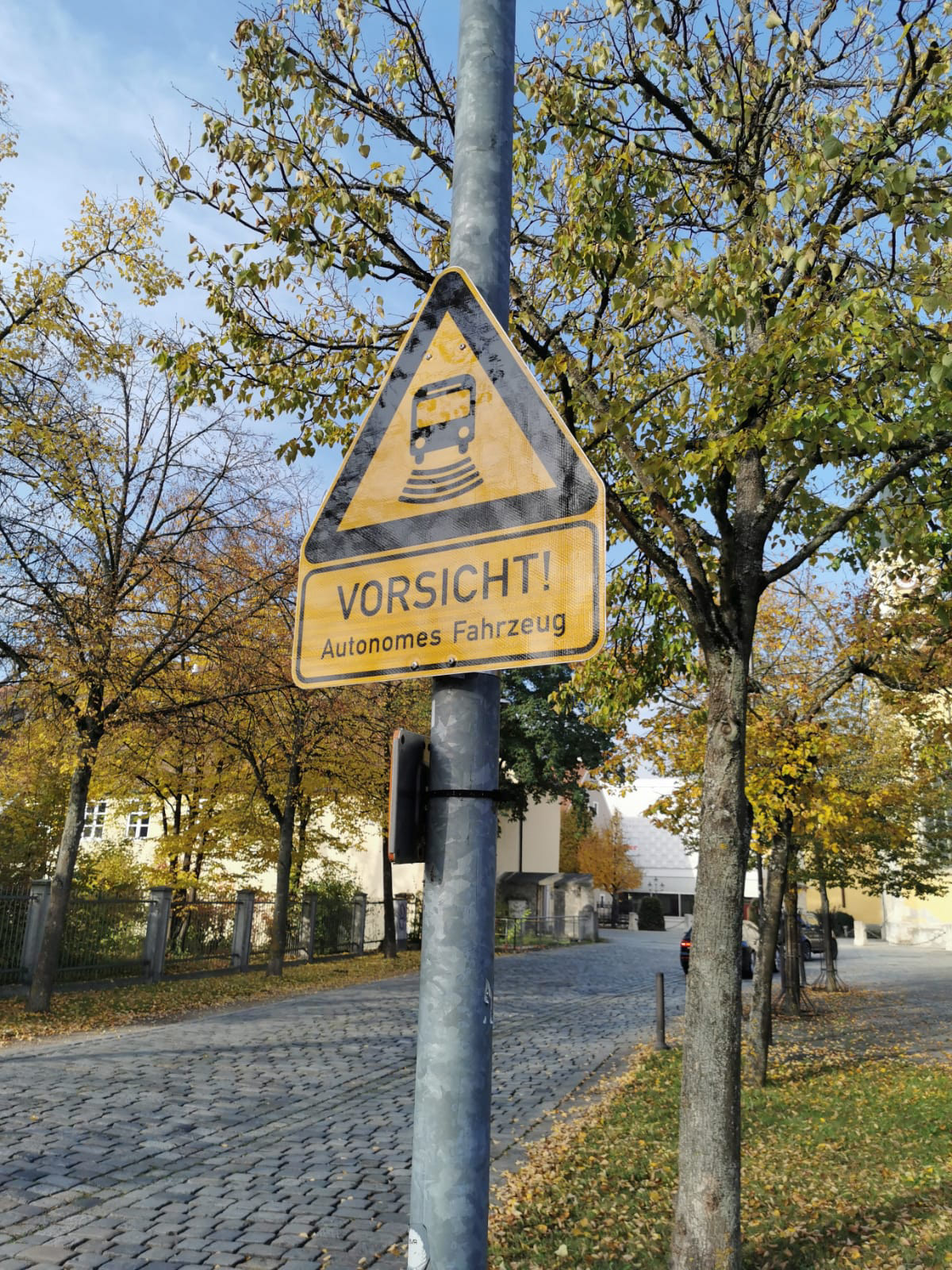
Route of the autonomous shuttle bus in Kelheim
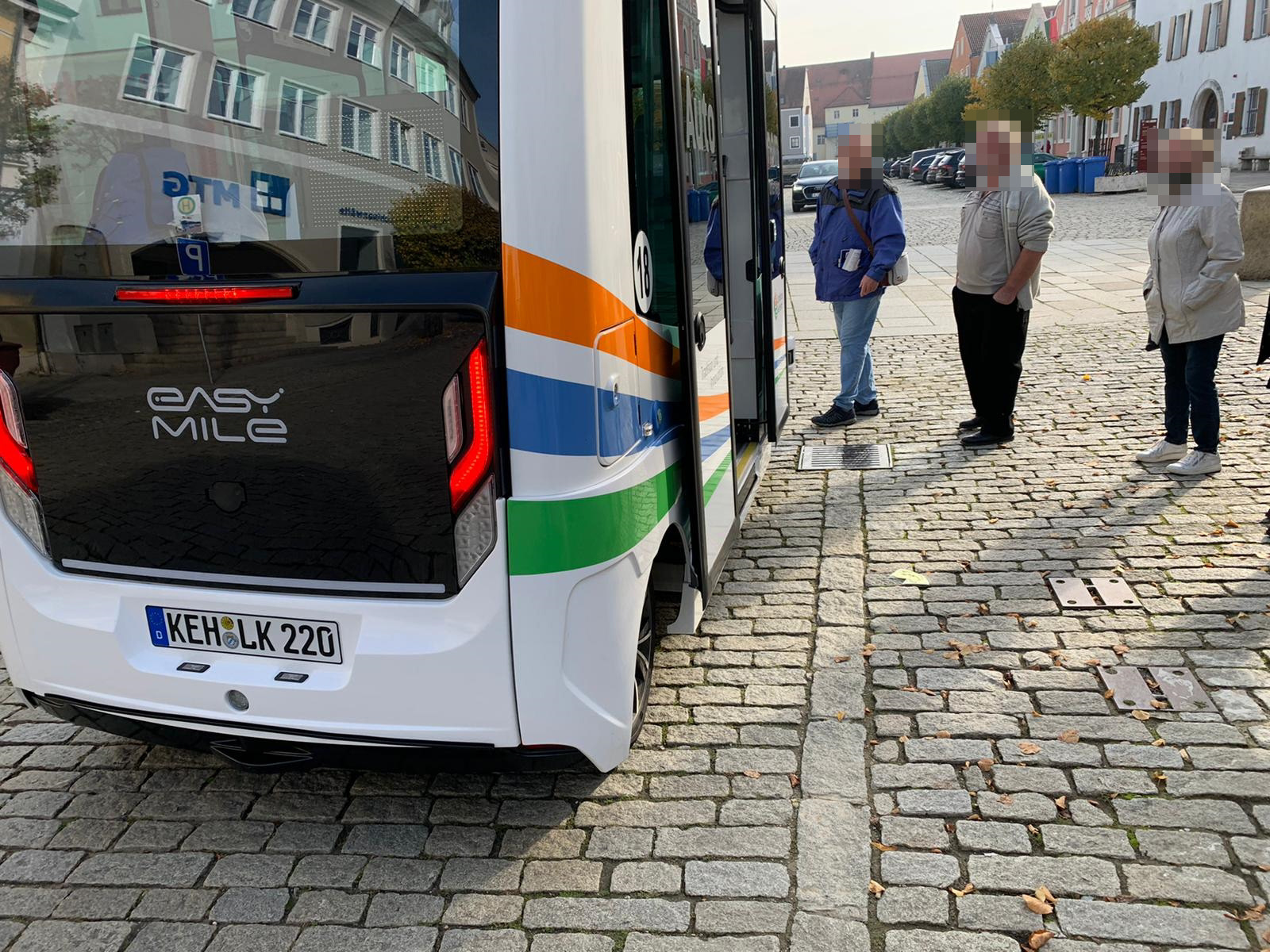
People boarding the EasyMile shuttle bus in Kelheim
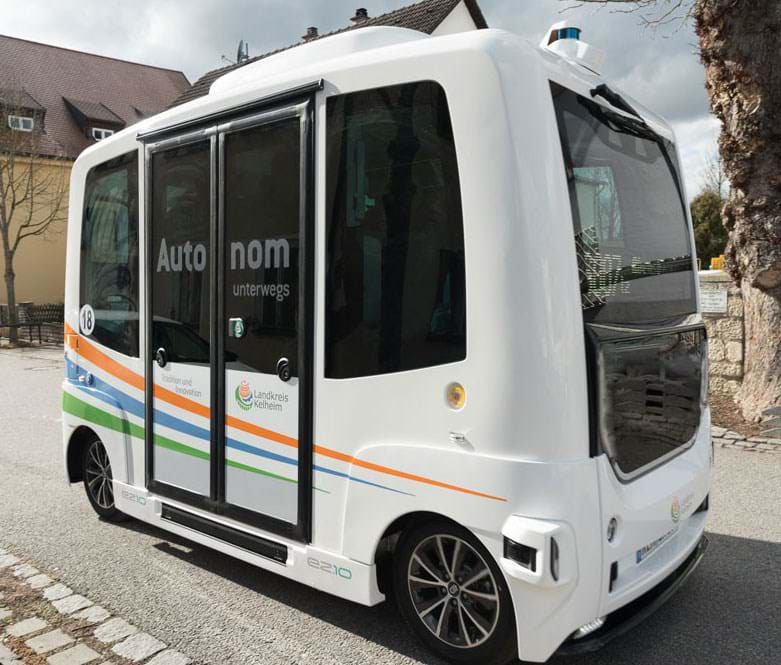
EasyMile shuttle bus in Kelheim
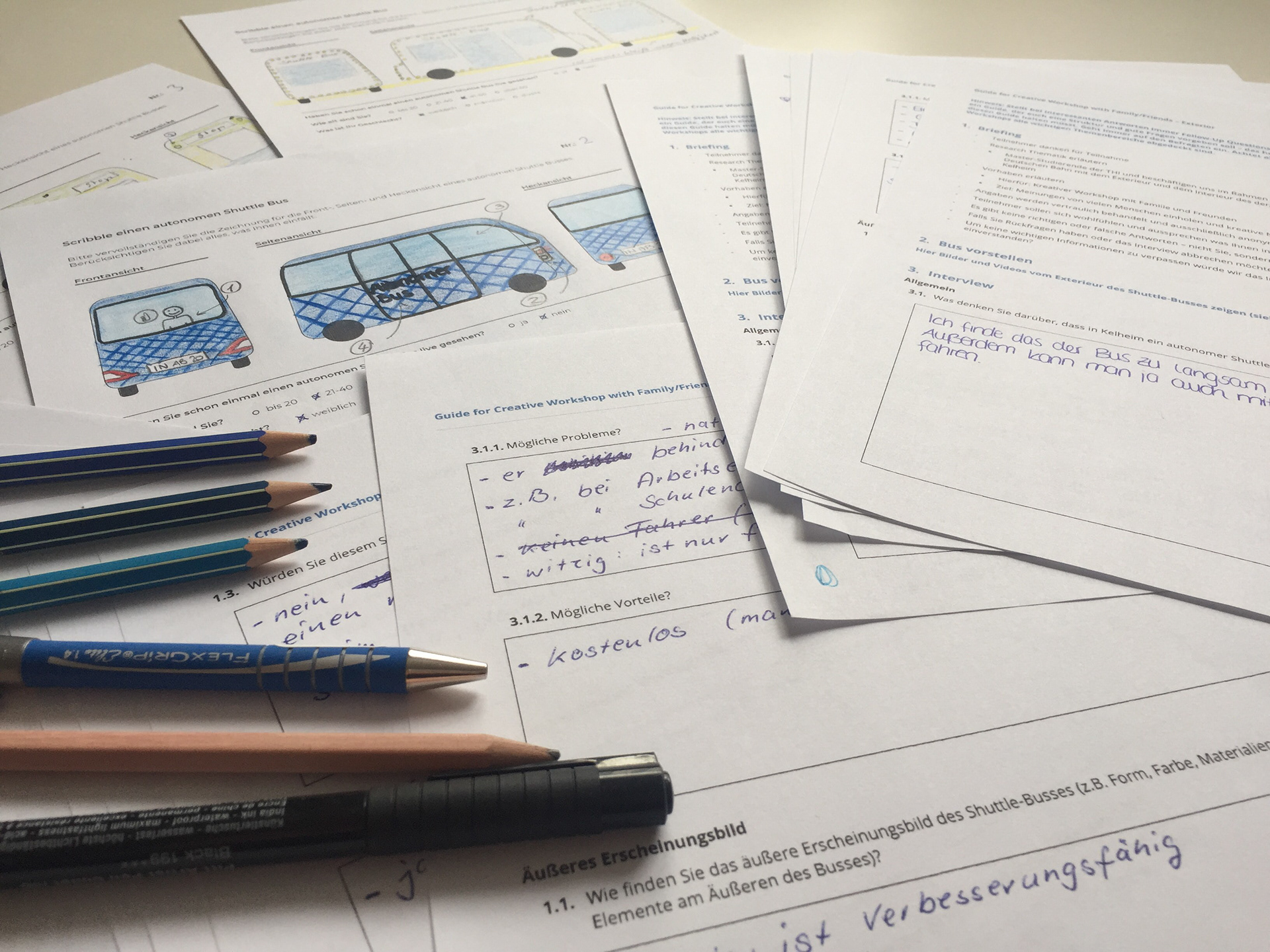
‘Sketch a Bus’ task from the exterior creative workshop
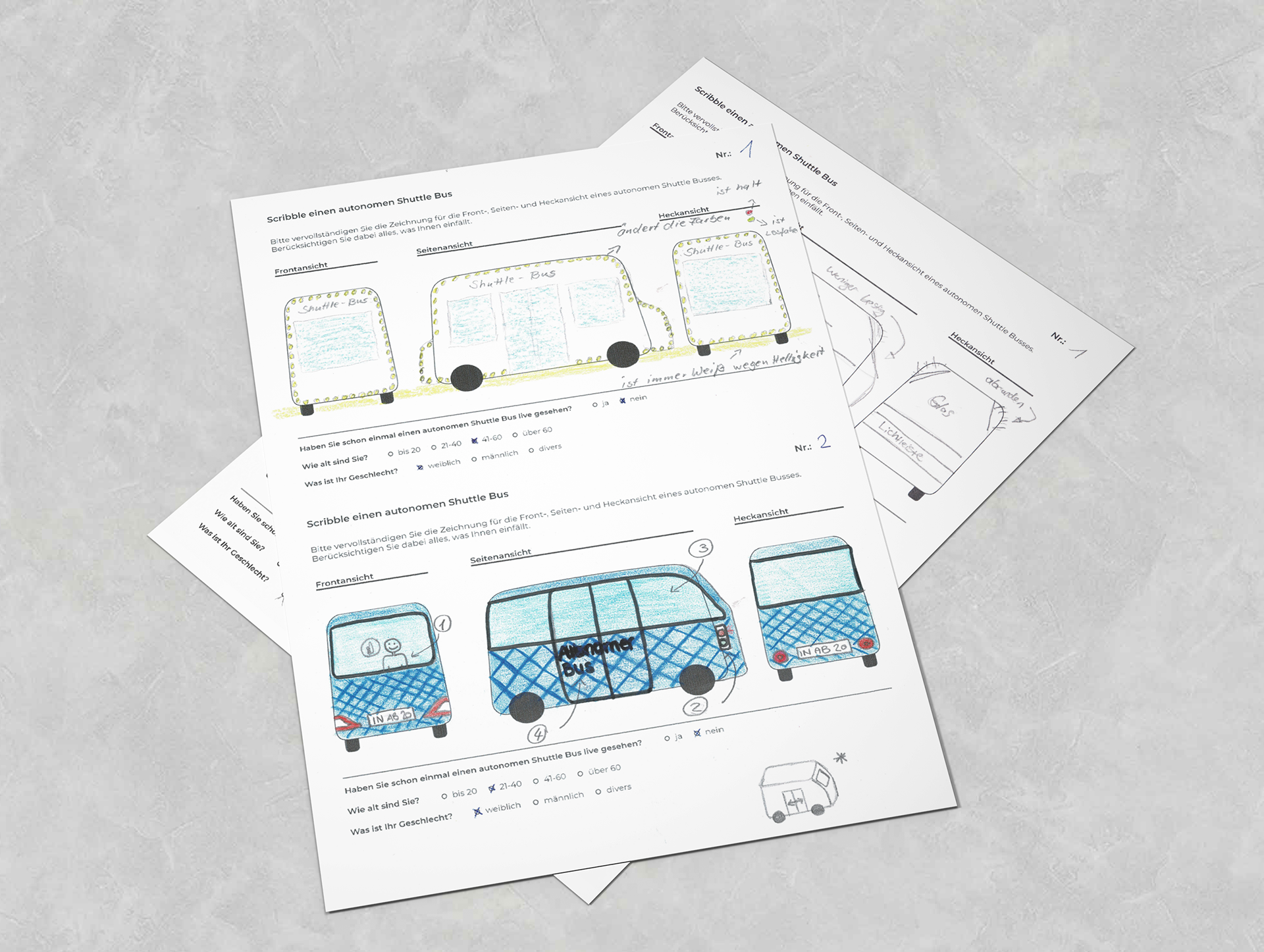
‘Sketch a Bus’ task from the exterior creative workshop
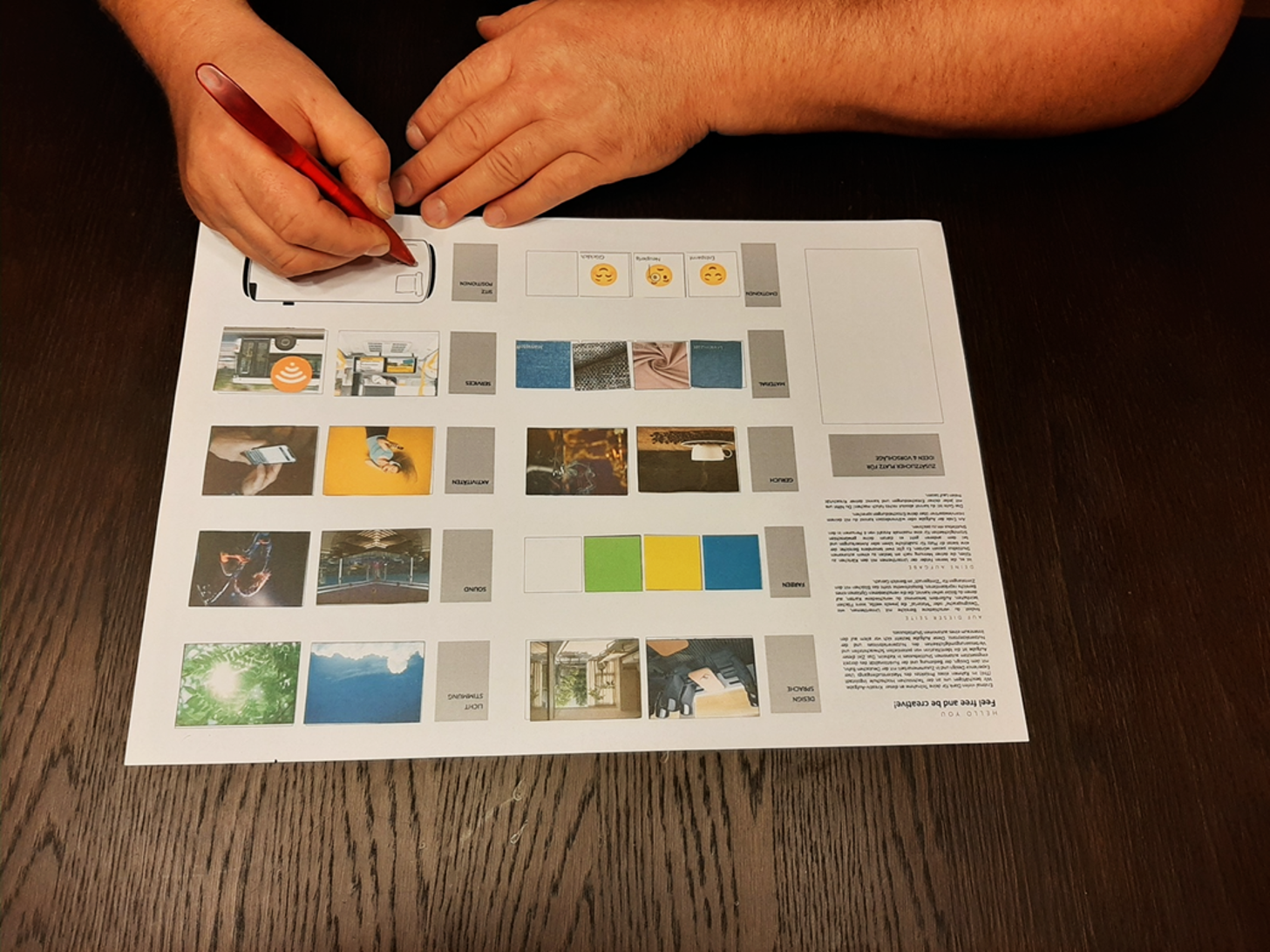
Interior creative workshop
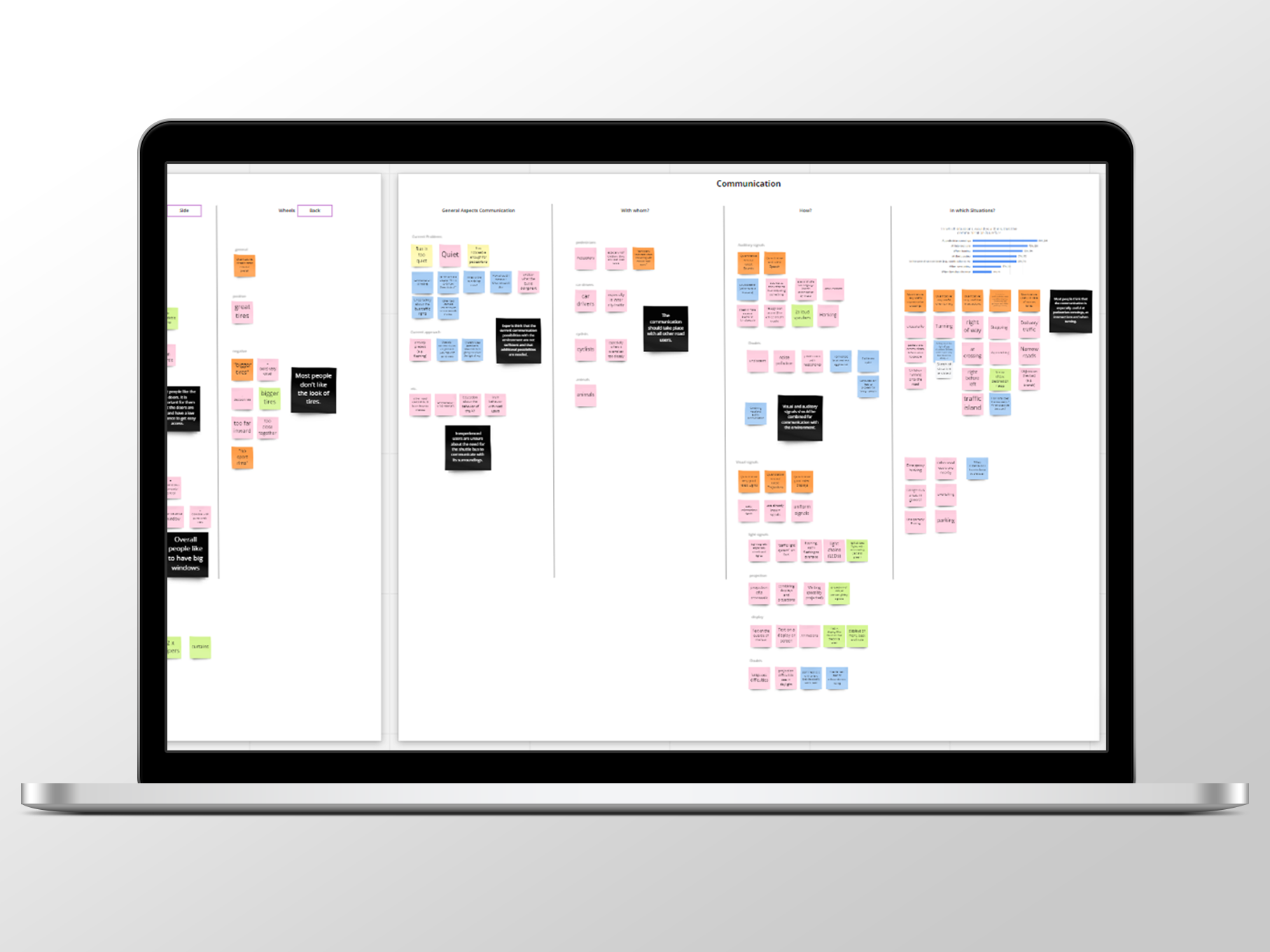
Digital affinity diagram to cluster the collected data
Interactive User Journey for the Exterior
Our animations demonstrate two different approaches: a subtle lighting concept around the entire bus using familiar color codes (Aura) and a humanized concept with gestures and expressions performed by a virtual person (Avatar).
Colour signals (aura) during the exit and entry process
Gestures/facial expressions (avatar) during the exit and entry process
Screen recording of the interactive user journey in LimeSurvey