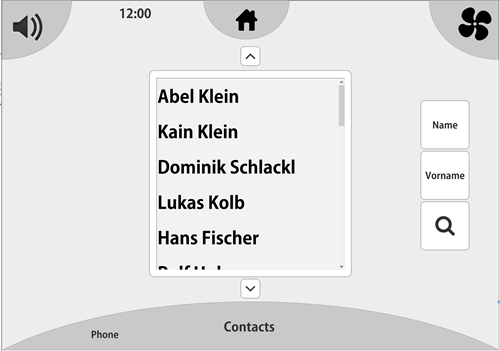
At the TH Ingolstadt, my team (three fellow students) and I enhanced an automotive infotainment system used in an international study on user experience and trust. Our goal was to create a user-friendly interaction concept with an appealing UI. We combined heuristic reviews with empirical user studies, applying method triangulation with standardized questionnaires, observation, think-aloud protocols, and semi-structured interviews. Based on the results, we developed design variants following Mercedes, Renault, Google, and Tesla guidelines, improving usability for real-world scenarios.
Role
UX/UI Designer
Scope
UX Concept, UI Design, UX Evaluation
Platform
Device (Car Infotainment System)
Duration
4 Months
Team
3 Fellow Students
Tools
axure RP
Adobe Photoshop
Adobe Illustrator
Adobe Photoshop
Adobe Illustrator
Mercedes Screens
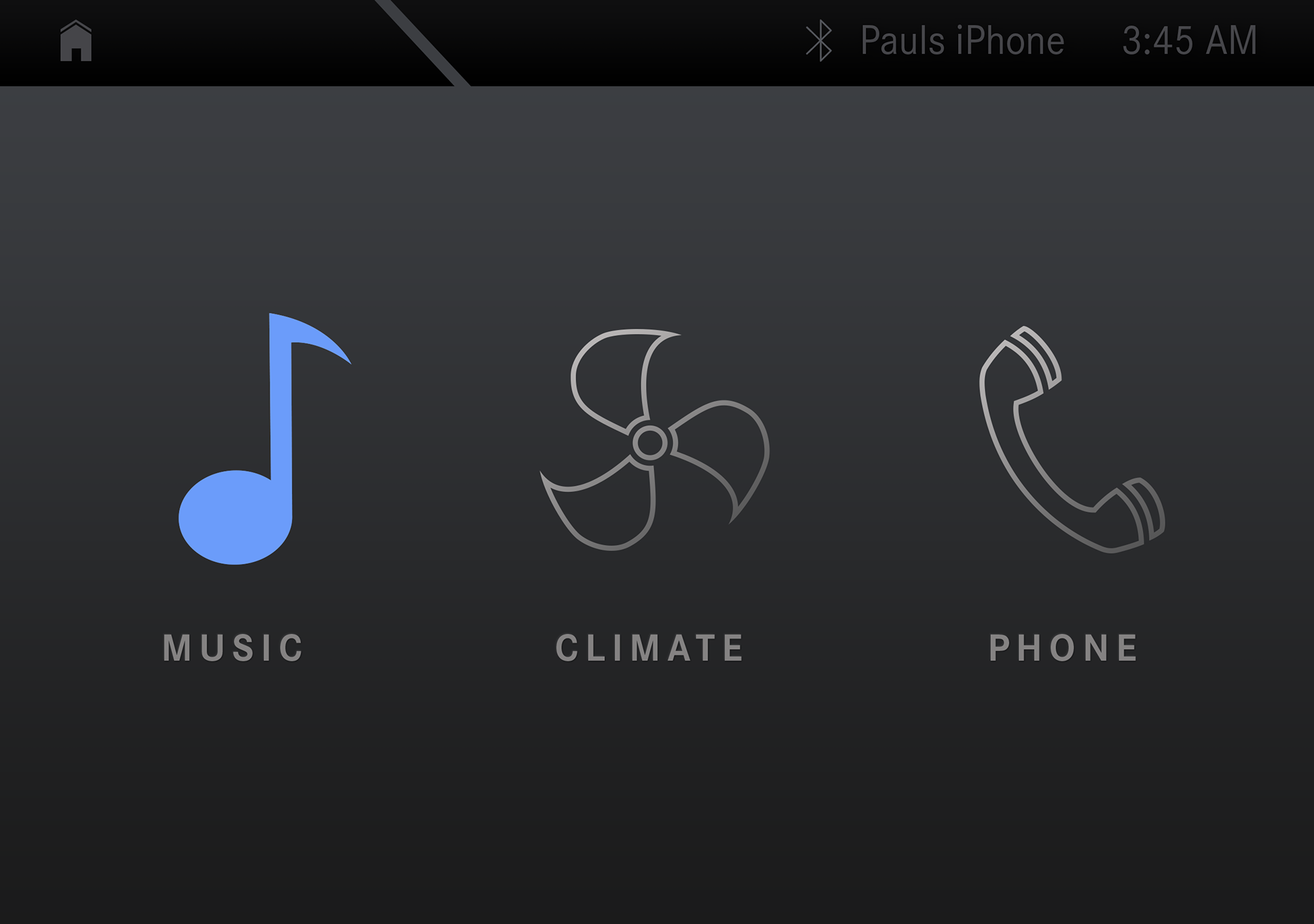
Home
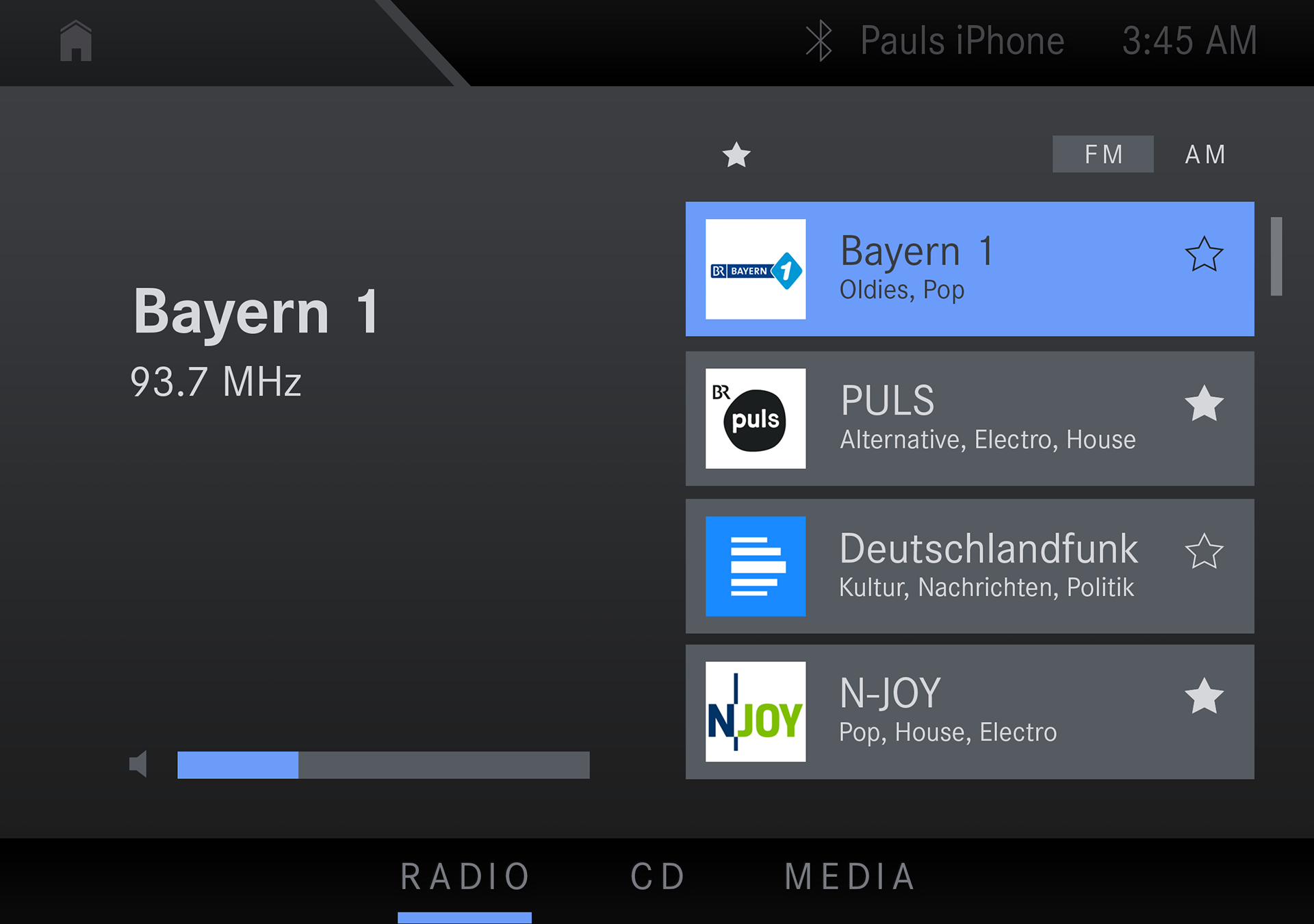
Music (radio)
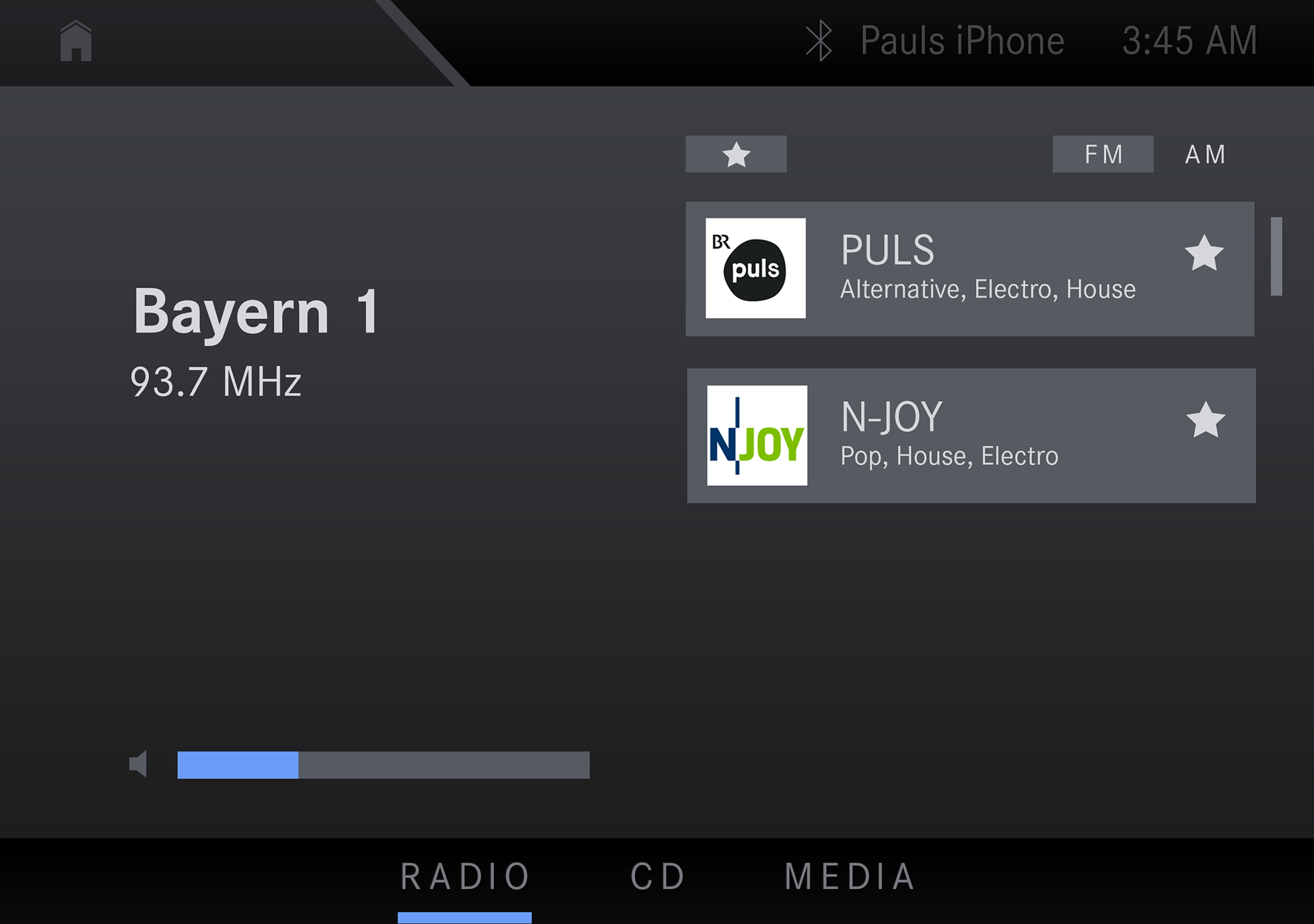
Music (radio)
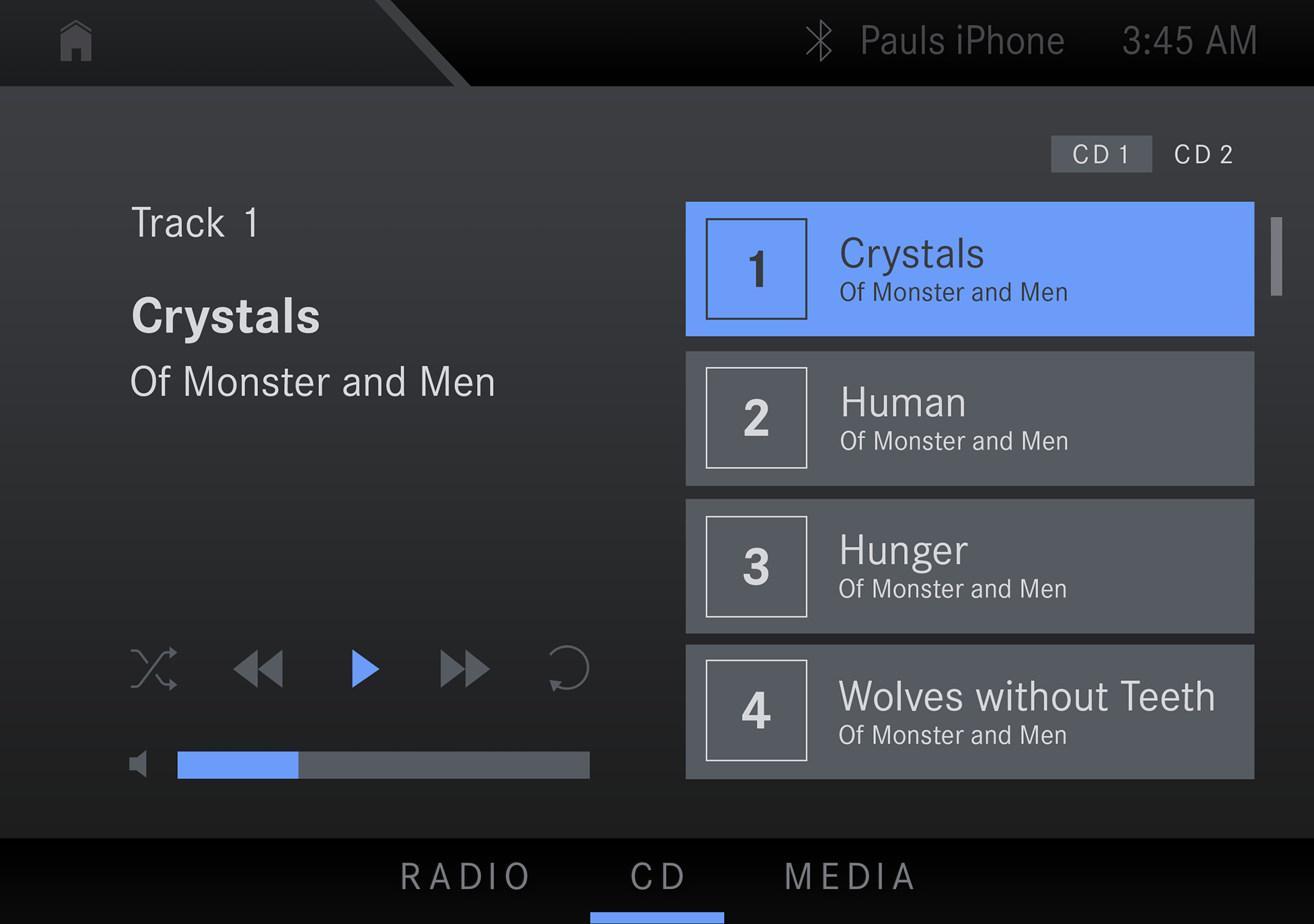
Music (CD)
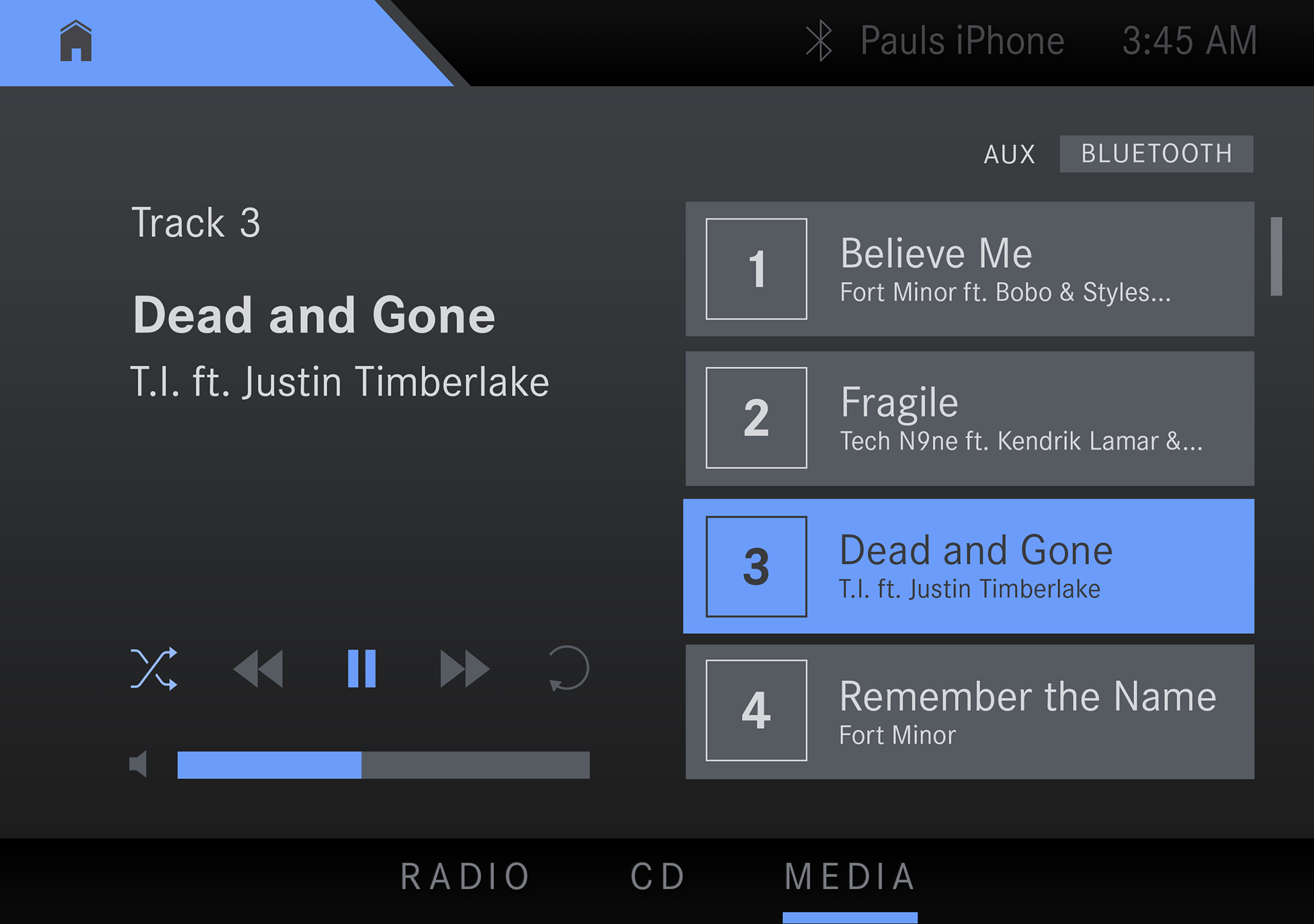
Music (Bluetooth)
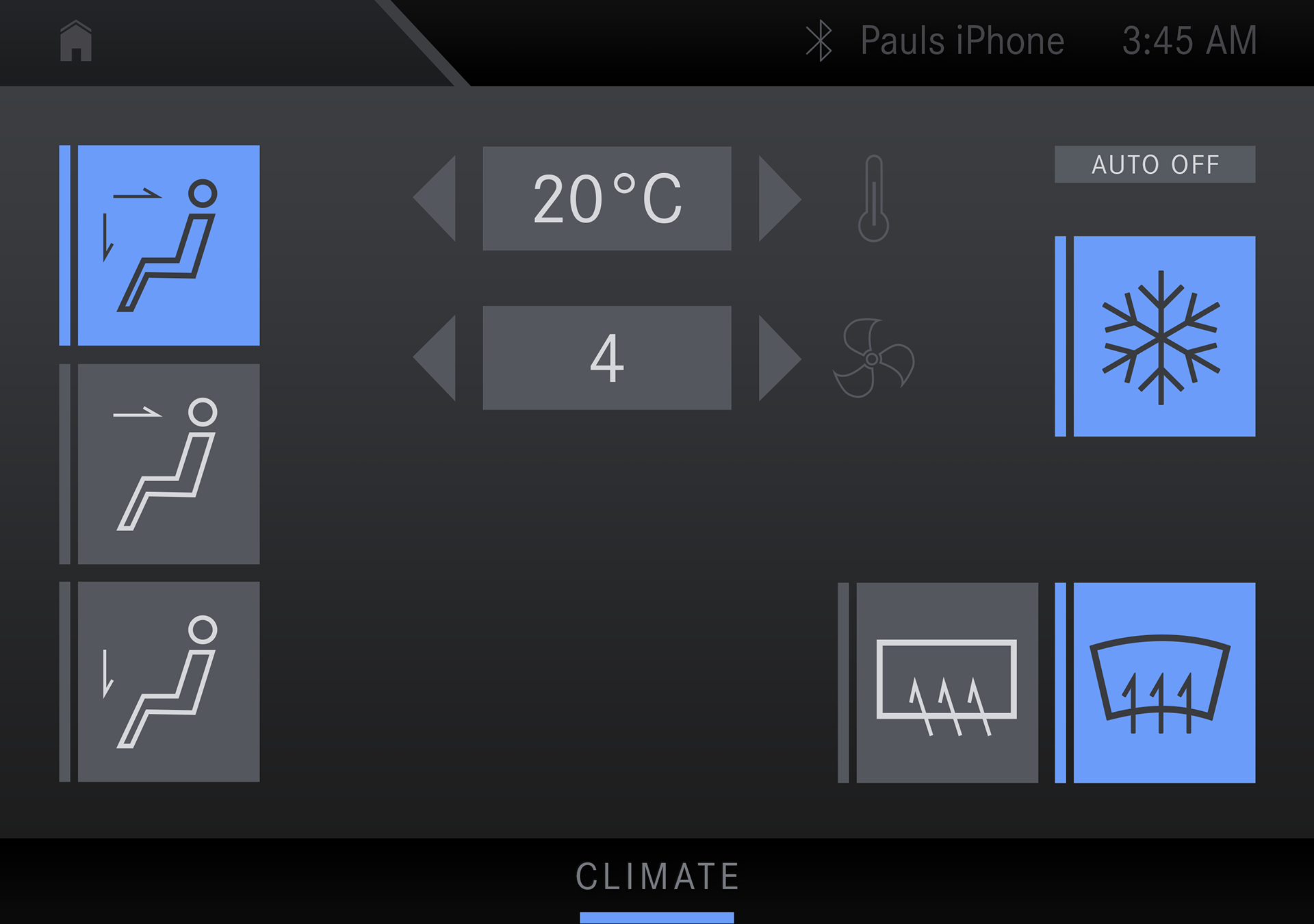
Climate
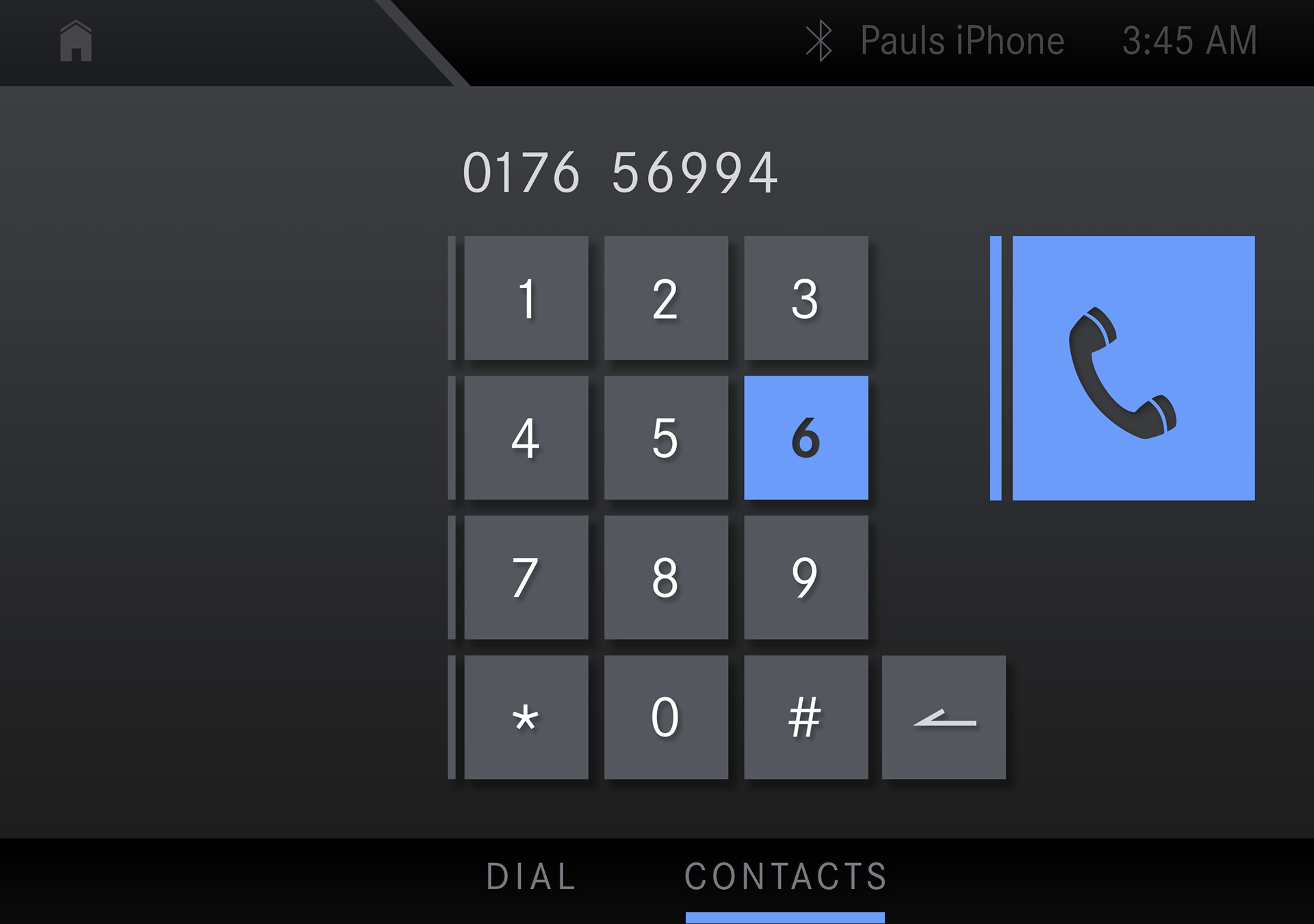
Phone (dial pad)
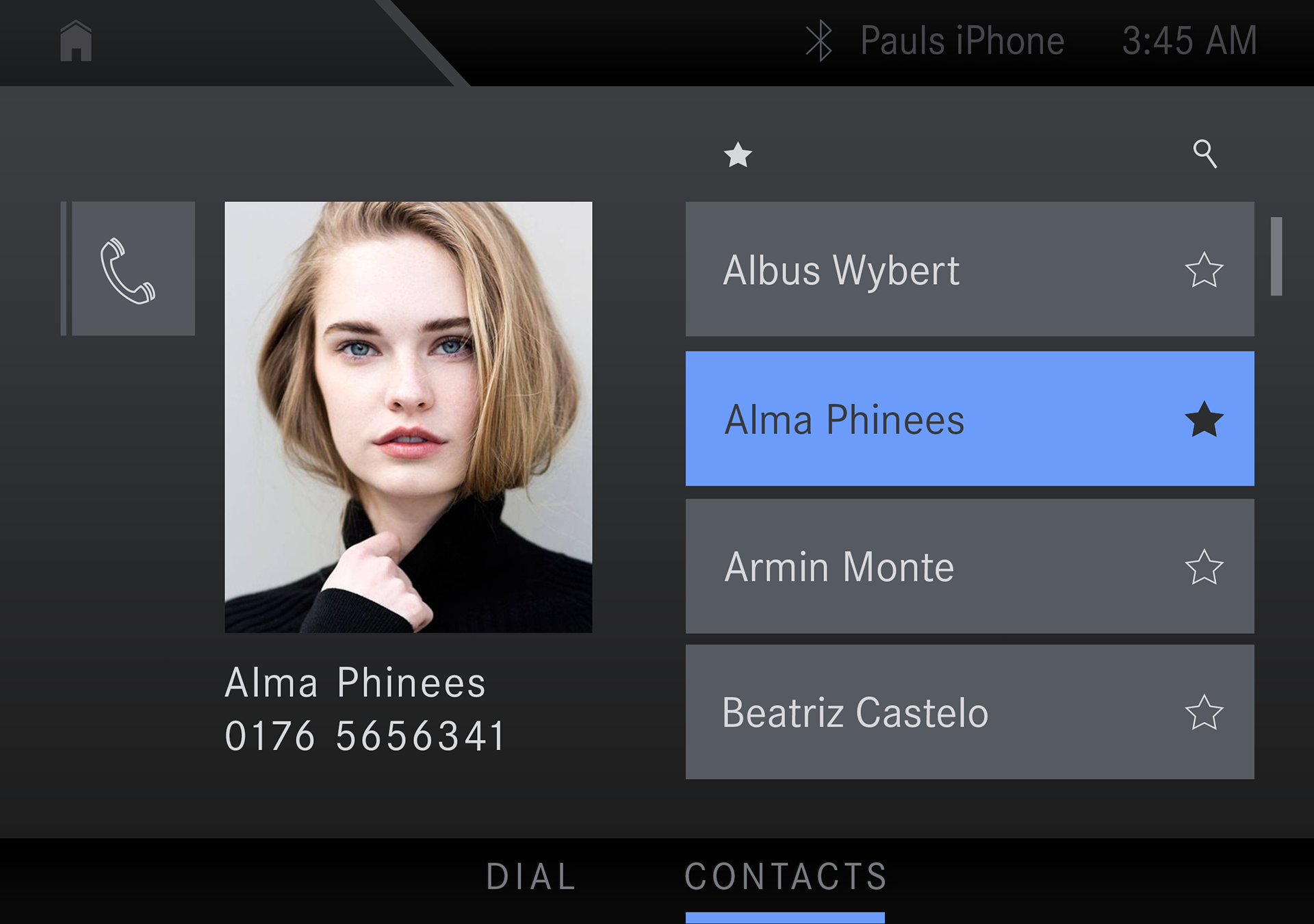
Phone (contacts)
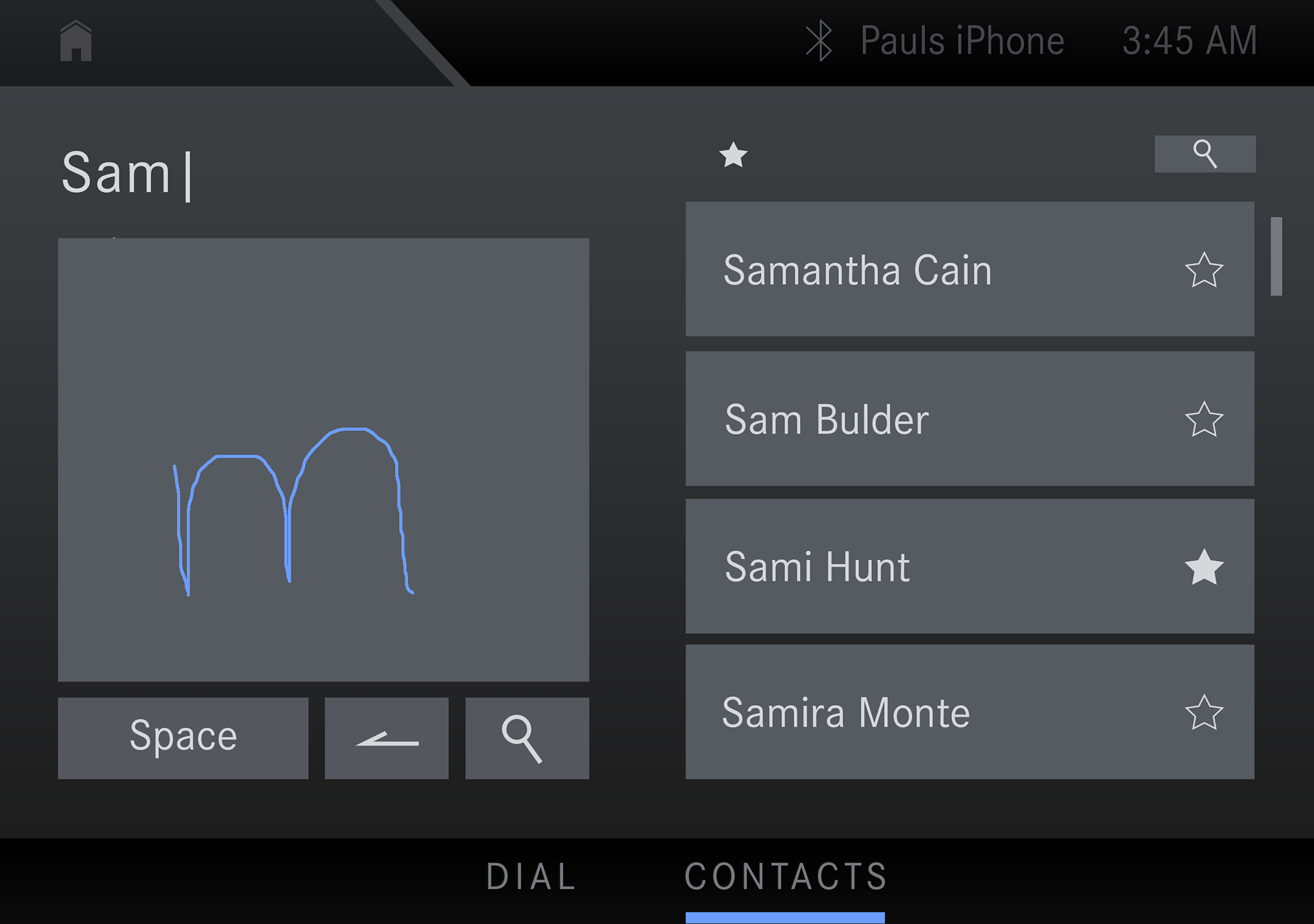
Phone (search contacts)
Renault Screens
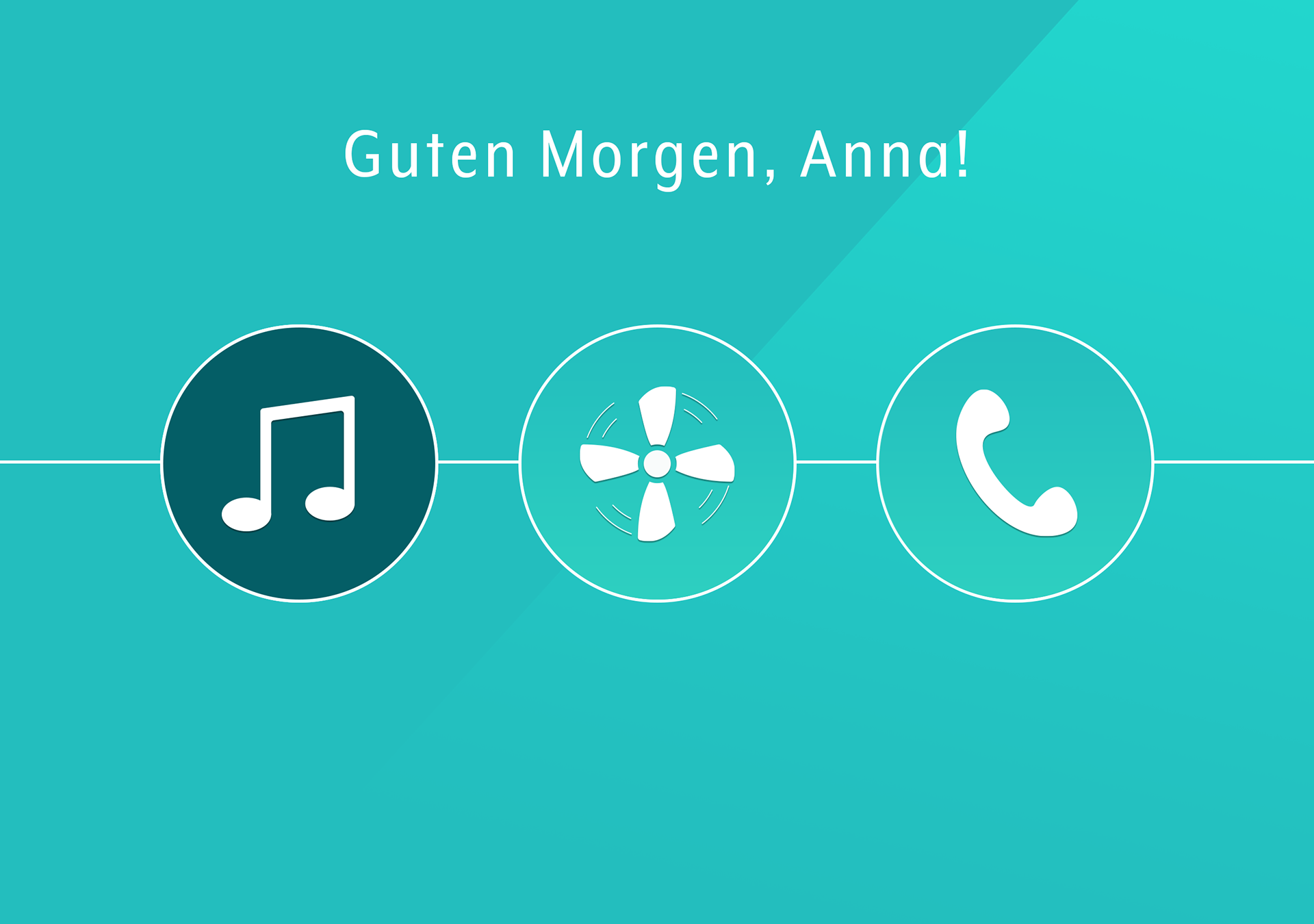
Home
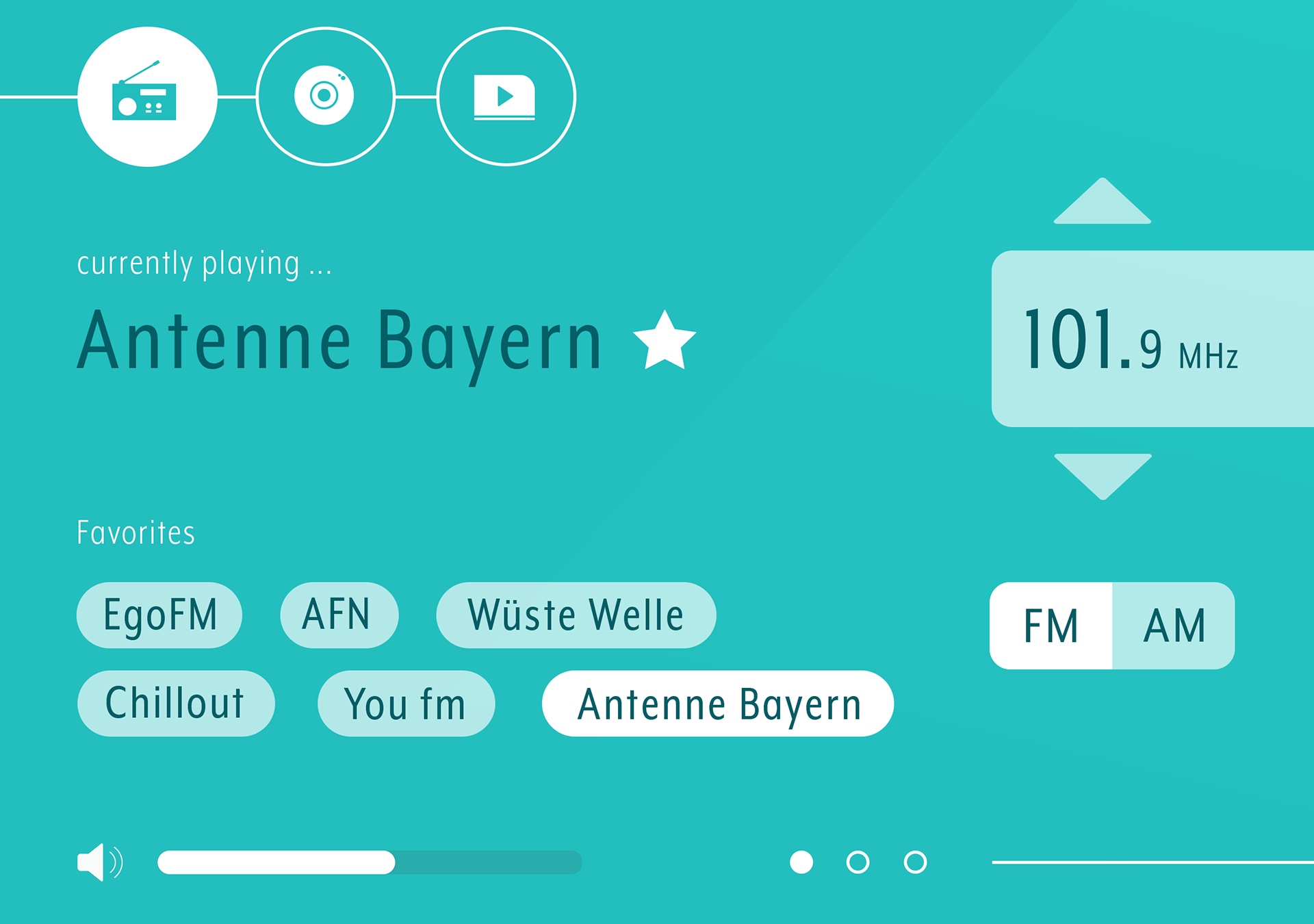
Music (radio)
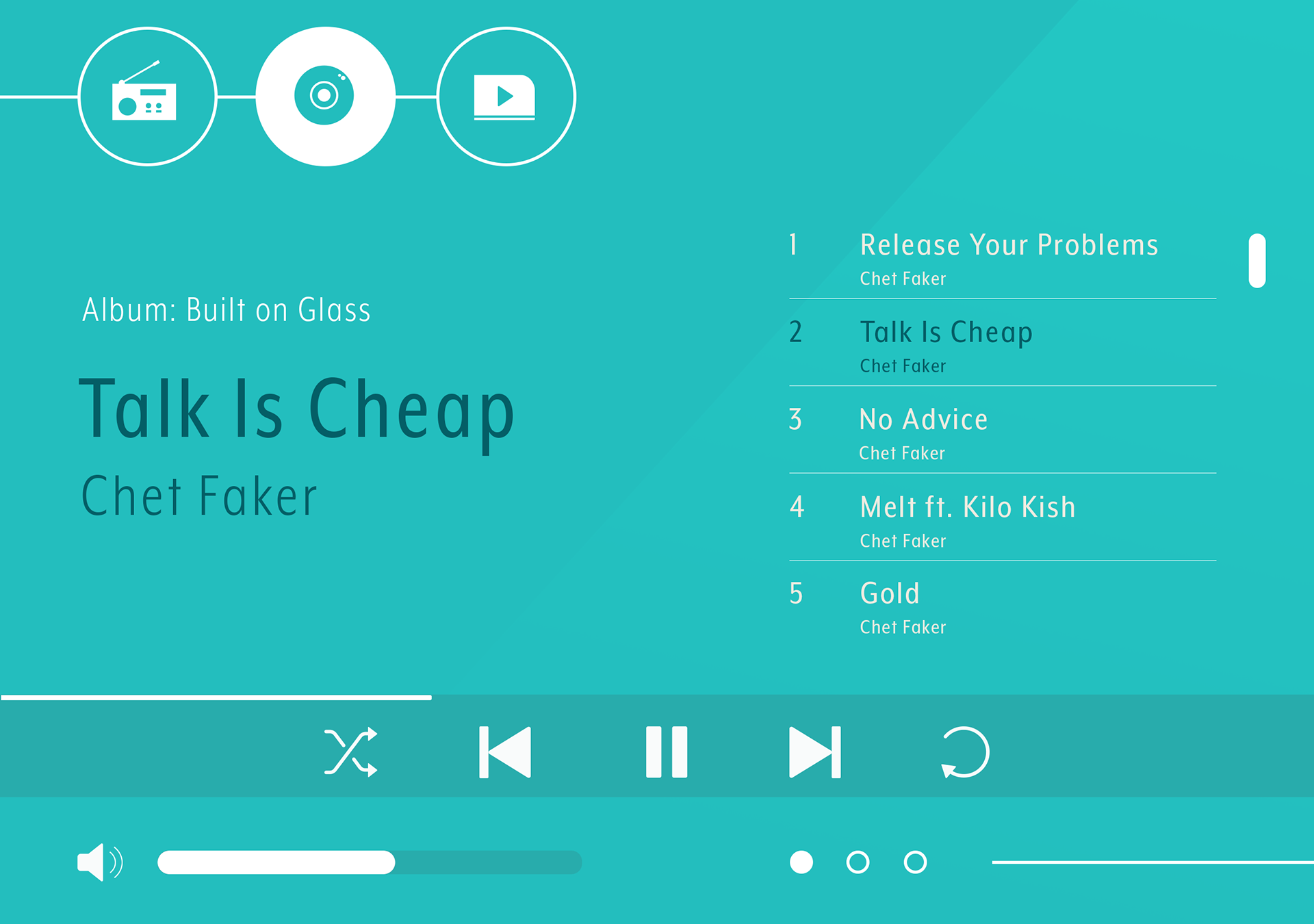
Music (CD)
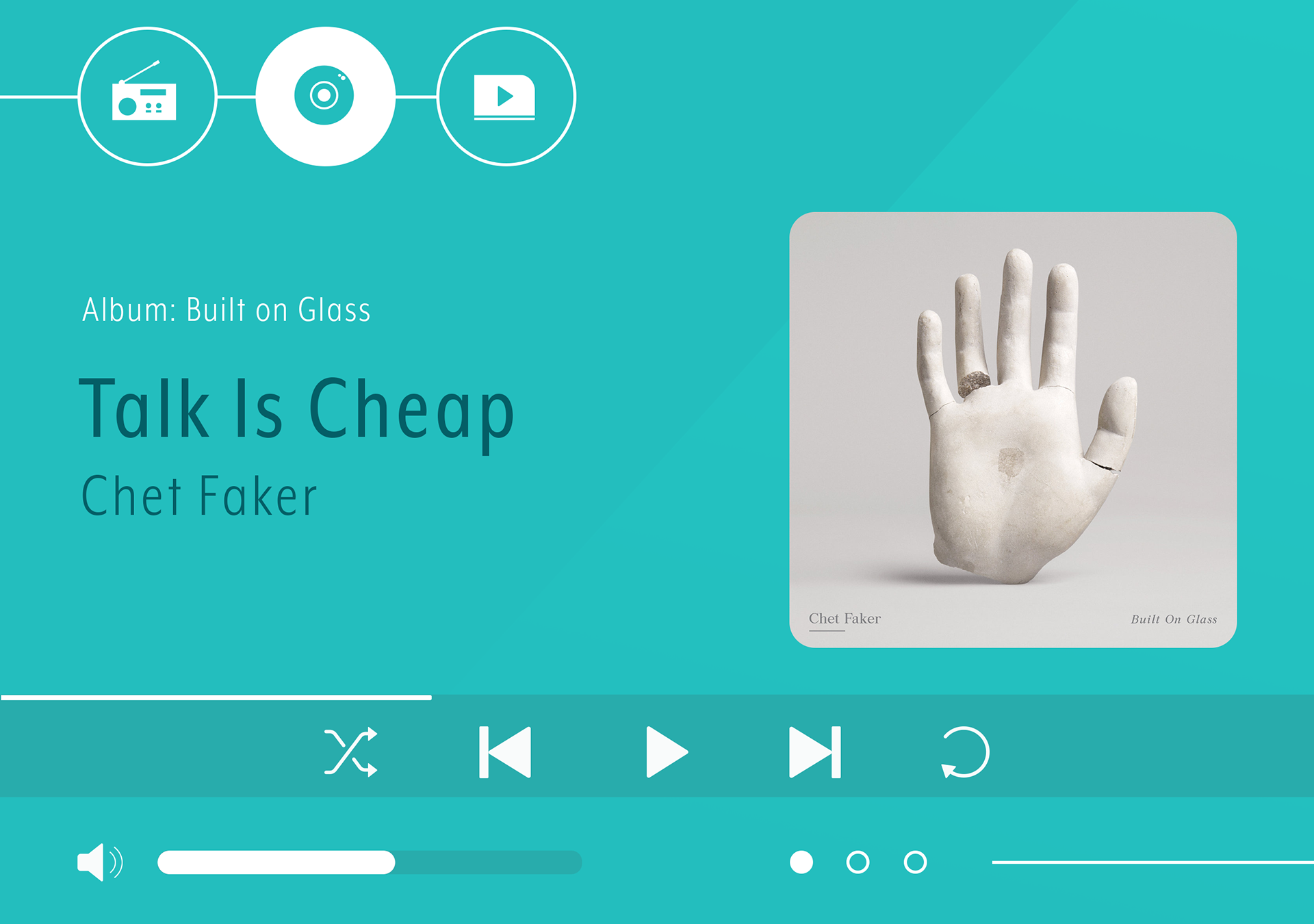
Music (CD)
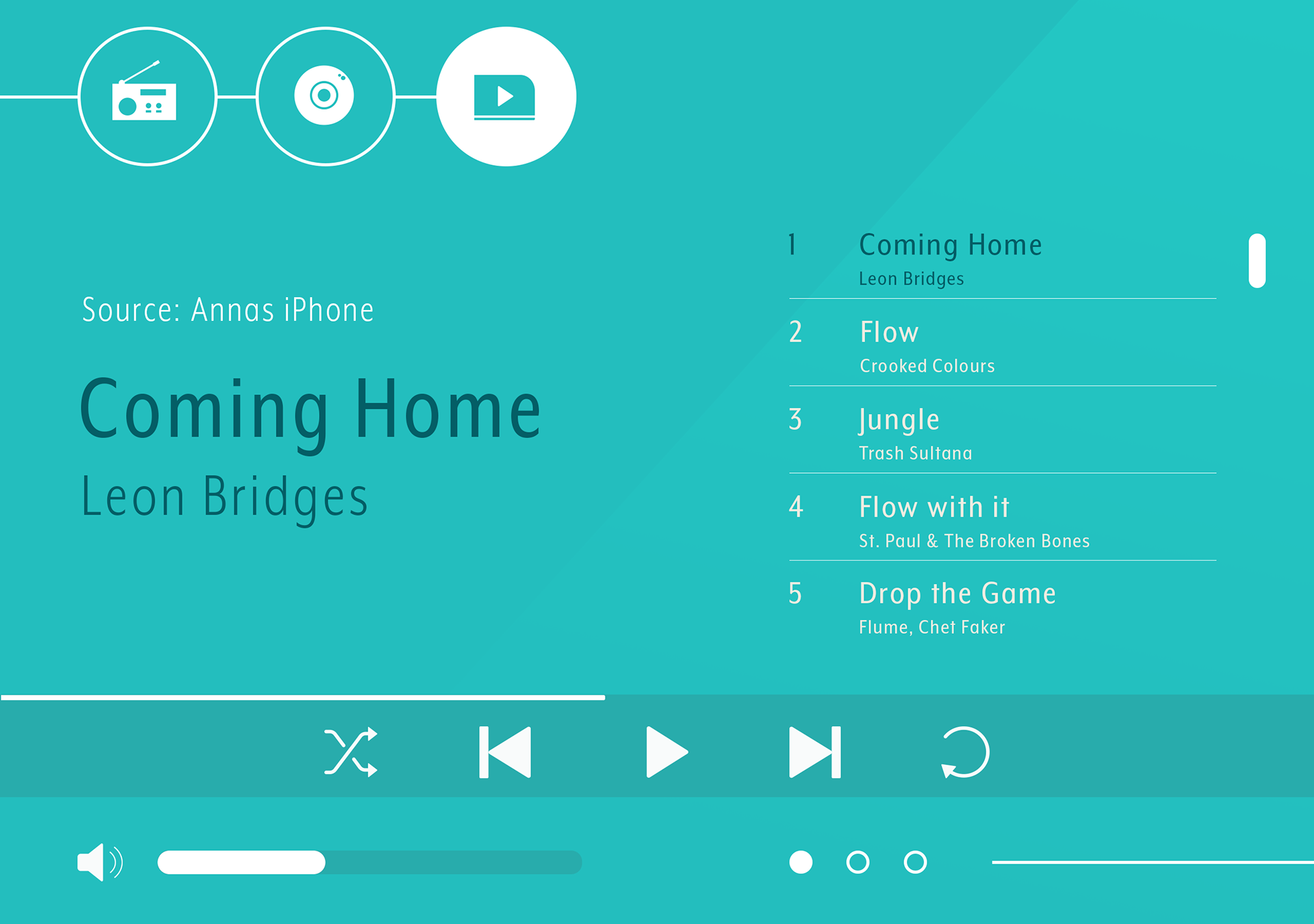
Music (media)
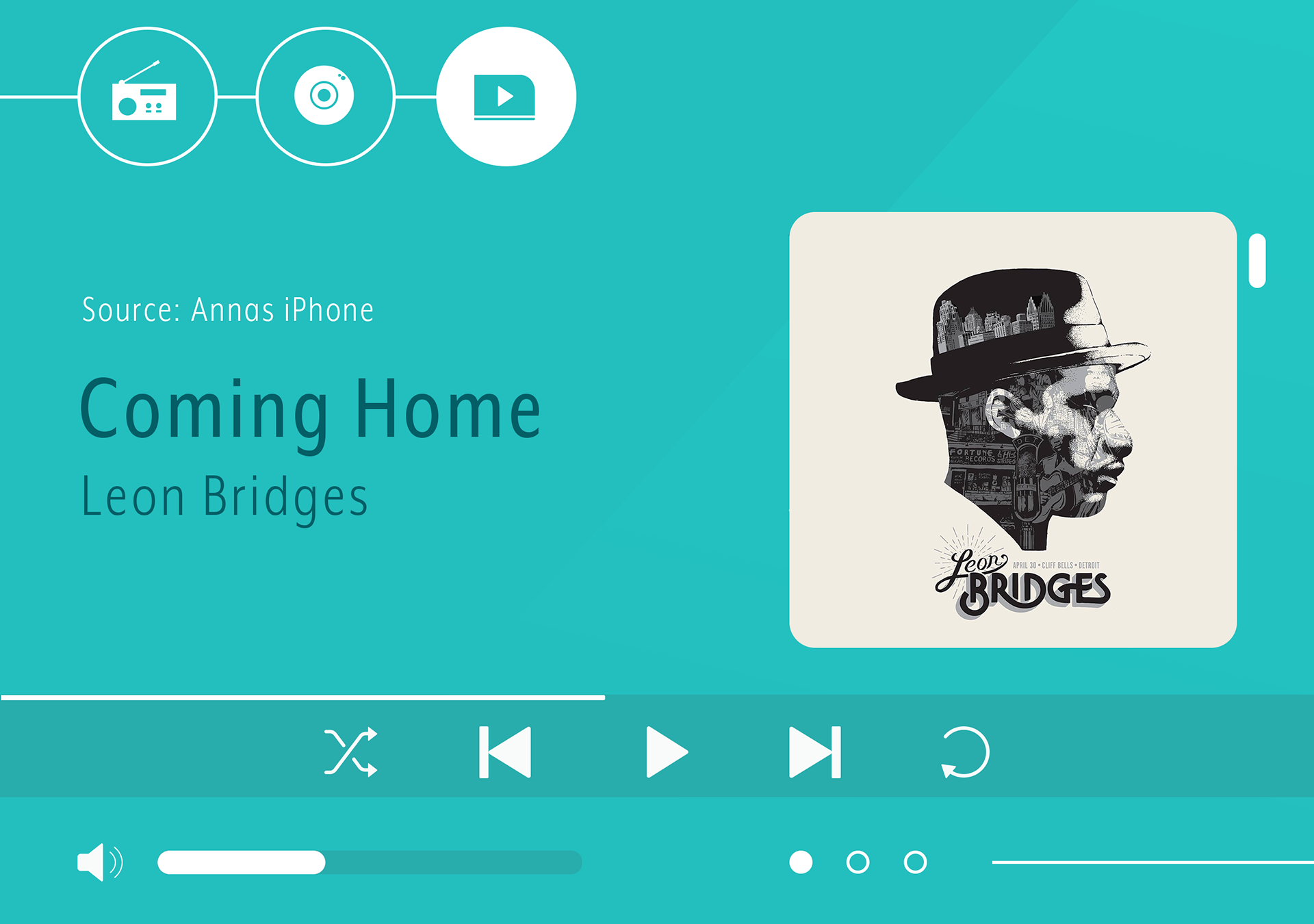
Music (media)
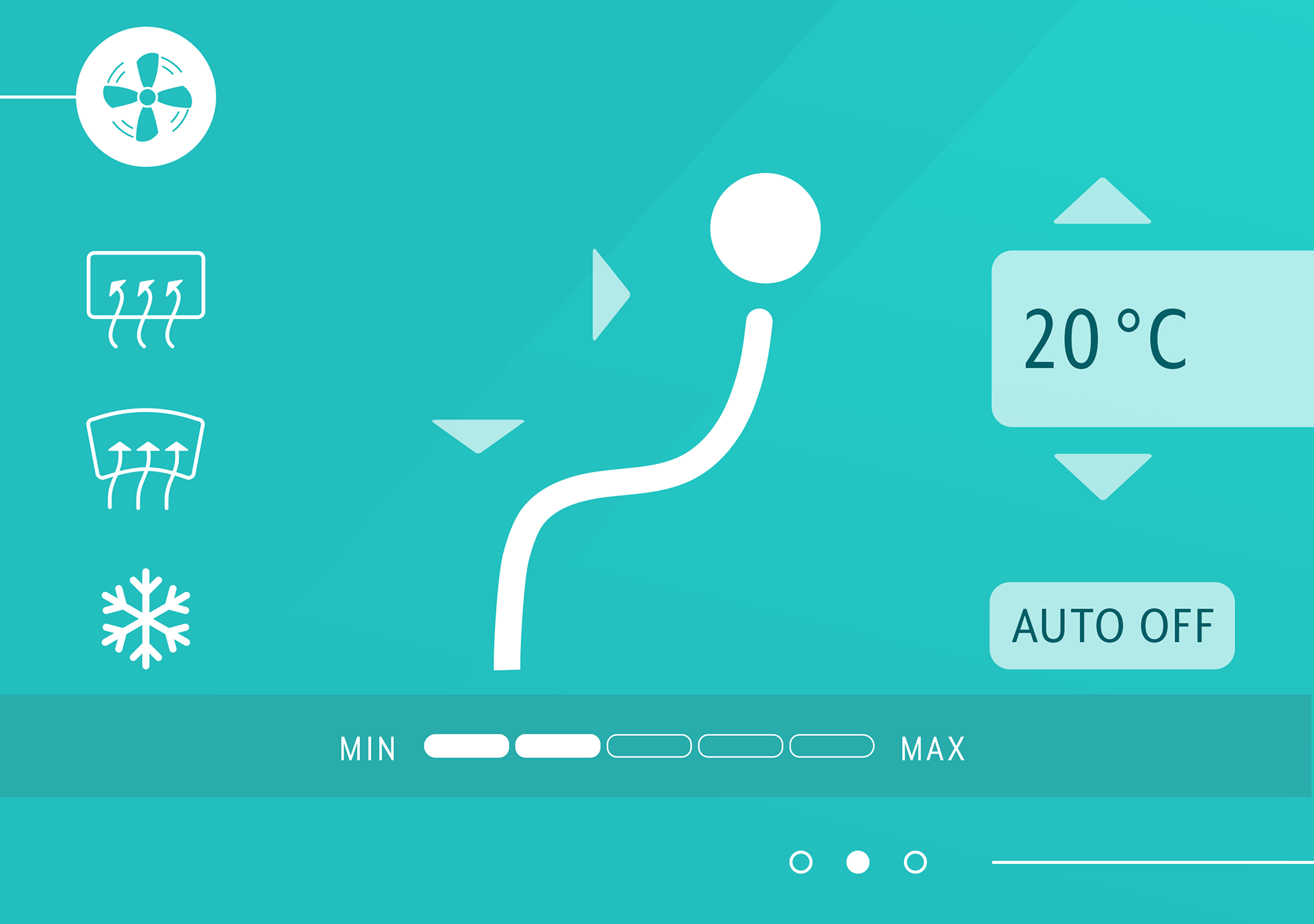
Climate
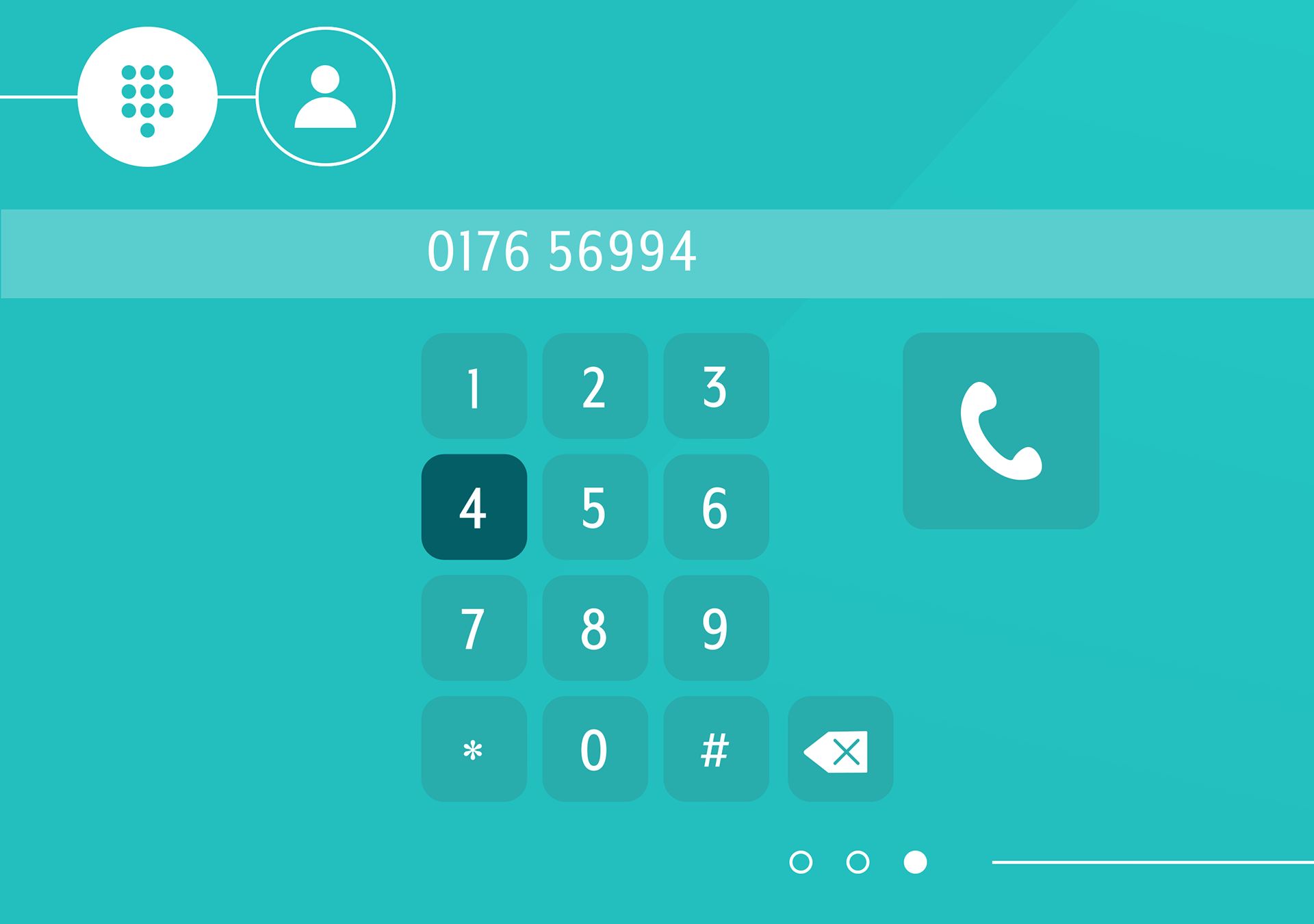
Phone (dial pad)
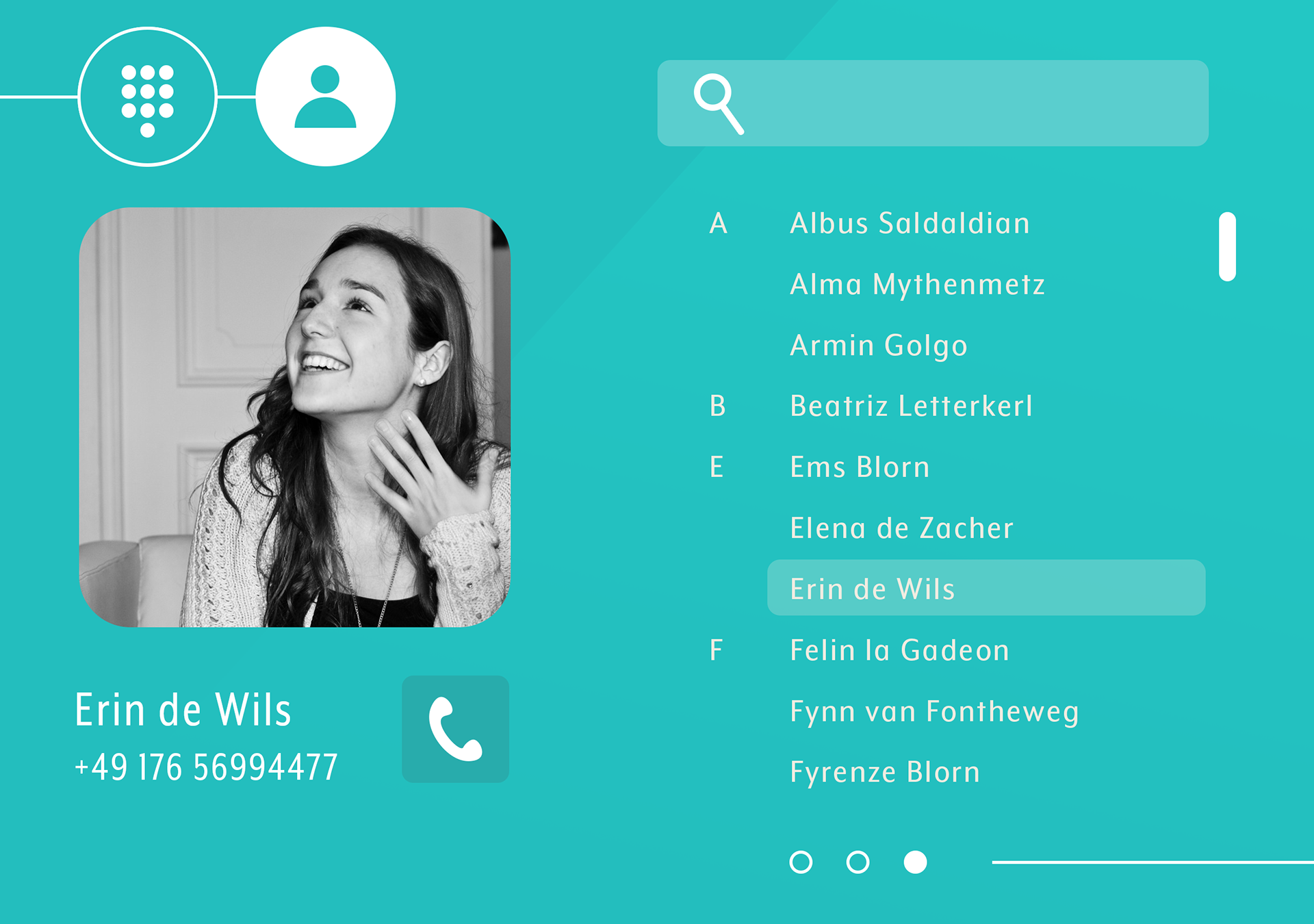
Phone (contacts)
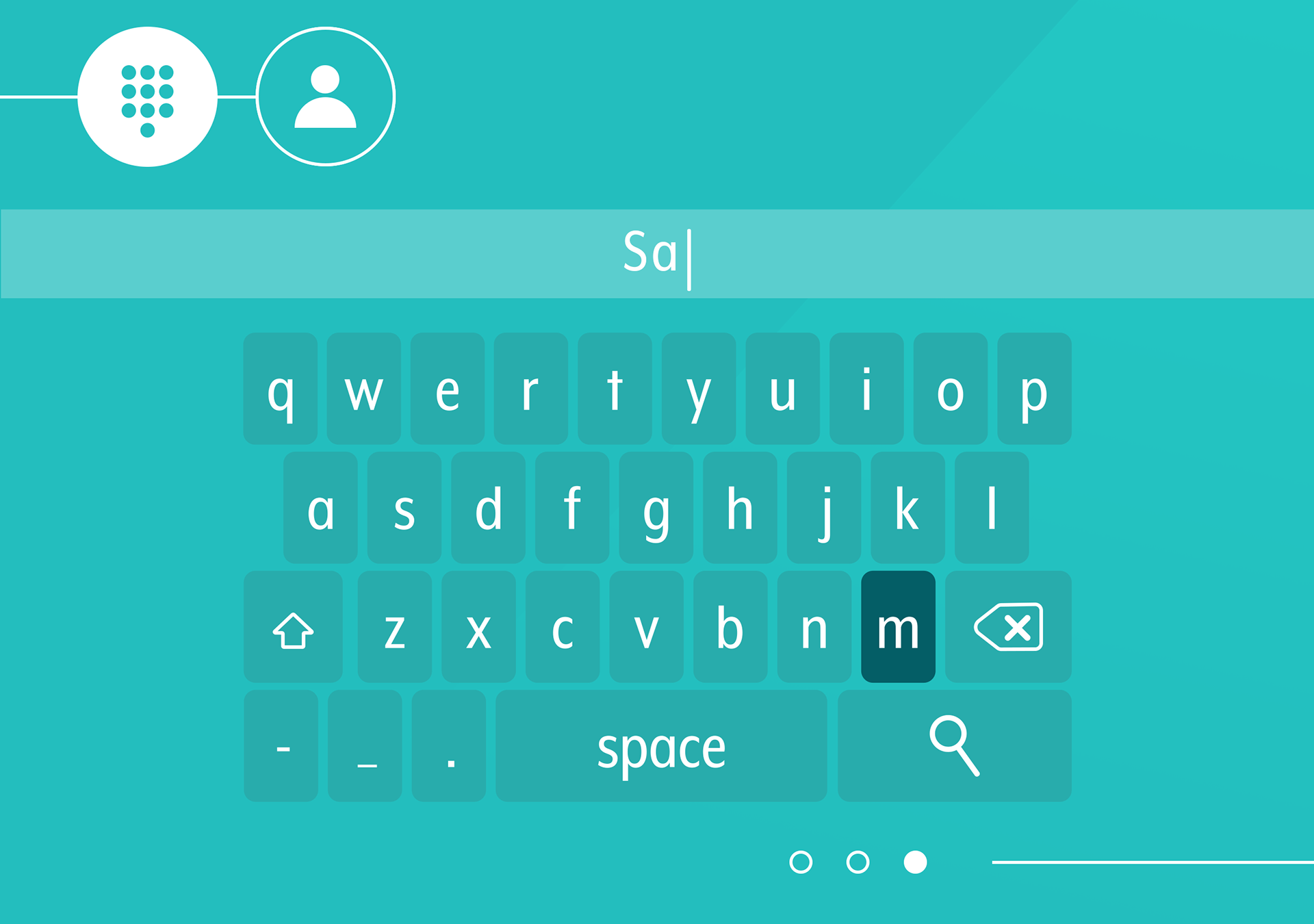
Phone (search contact)
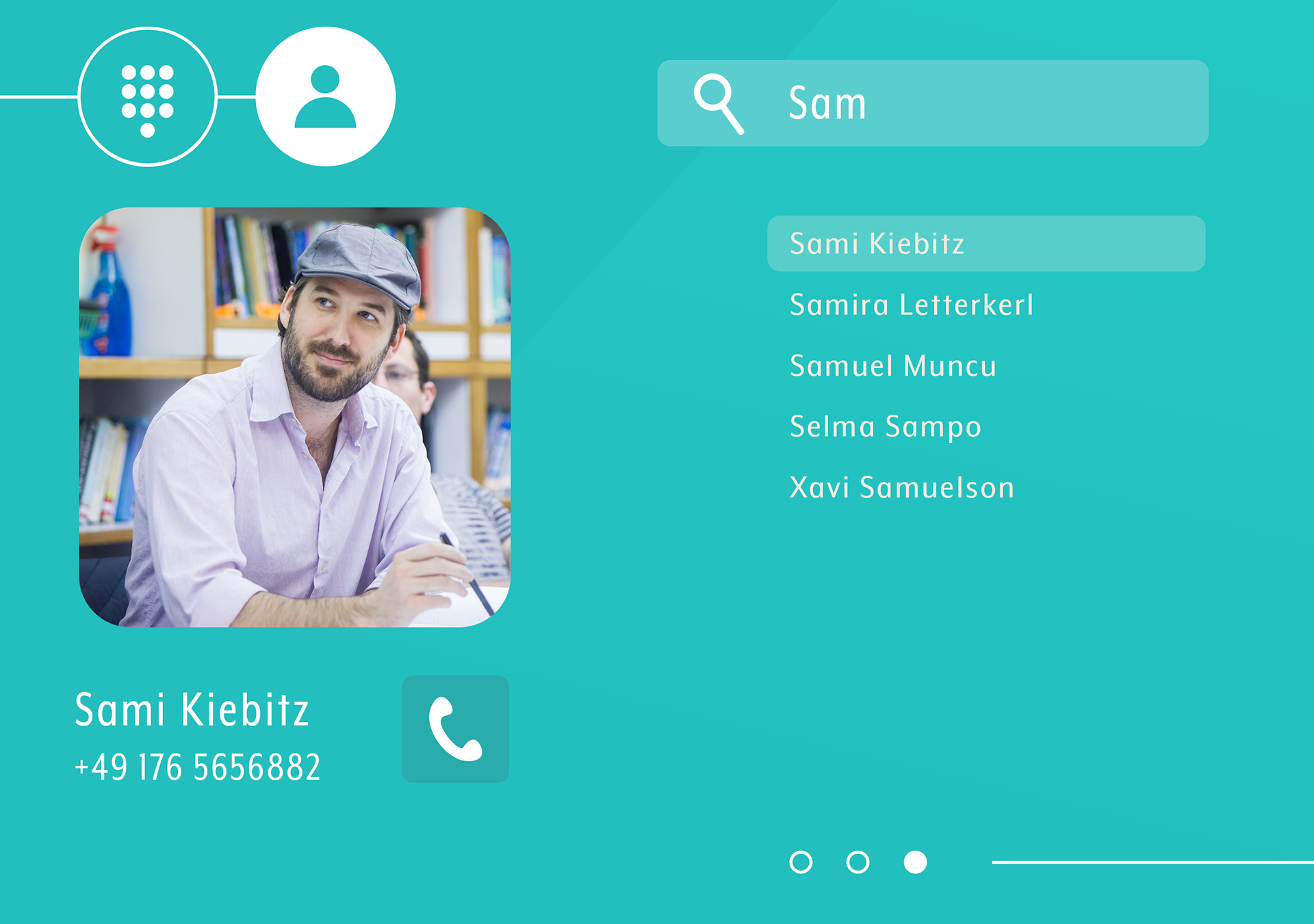
Phone (search contacts)

Phone (call)
Google Screens
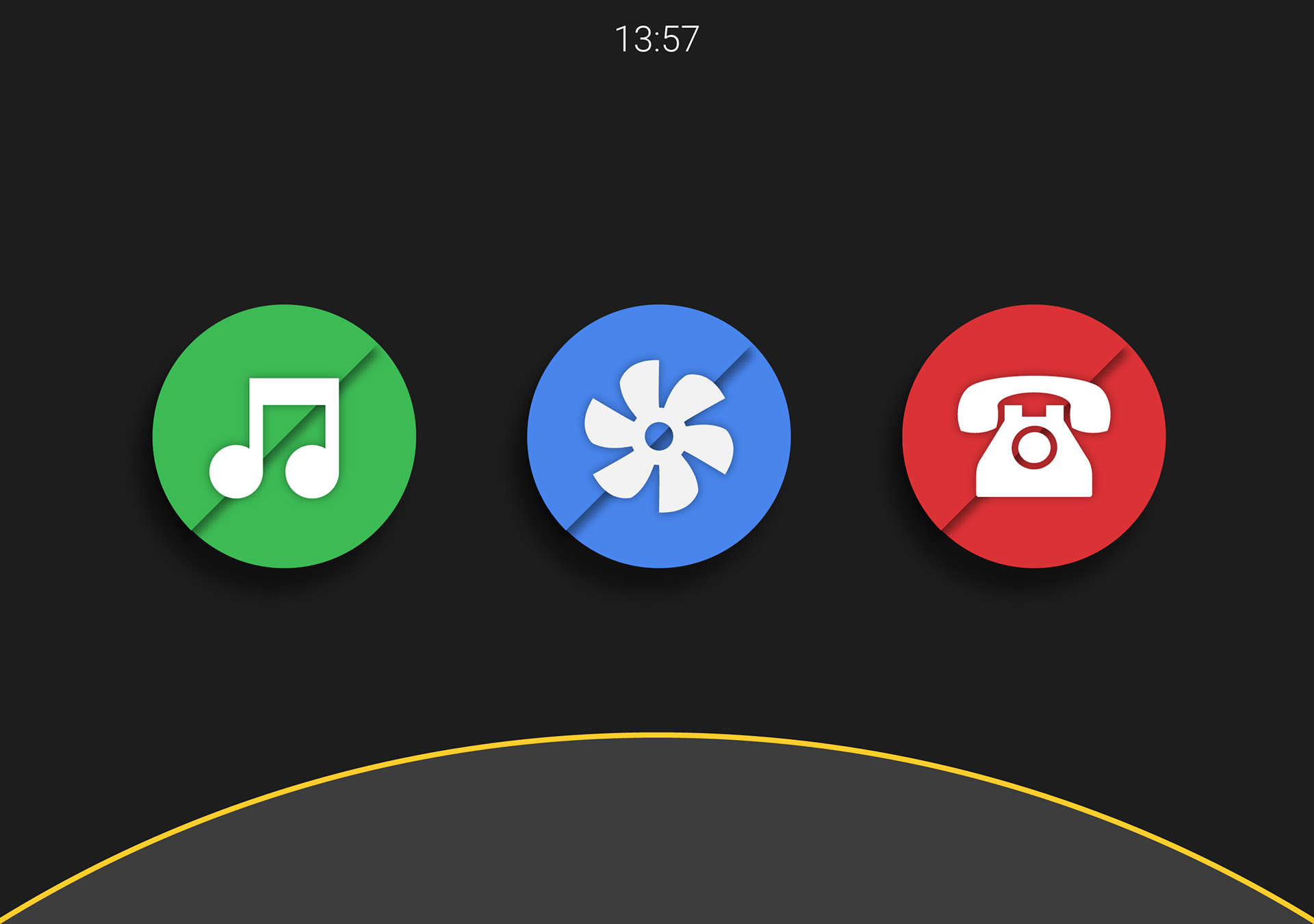
Home
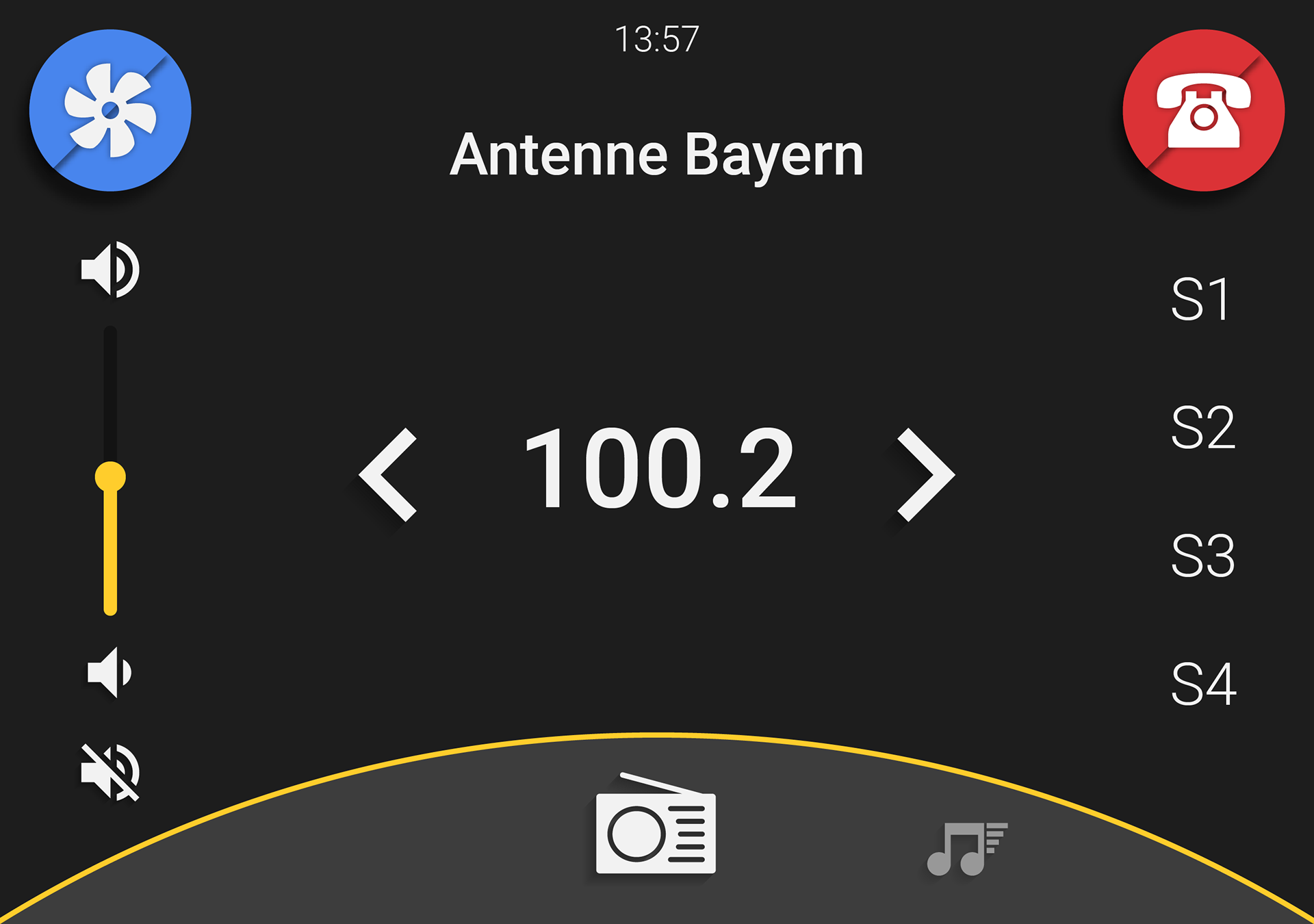
Music (radio)
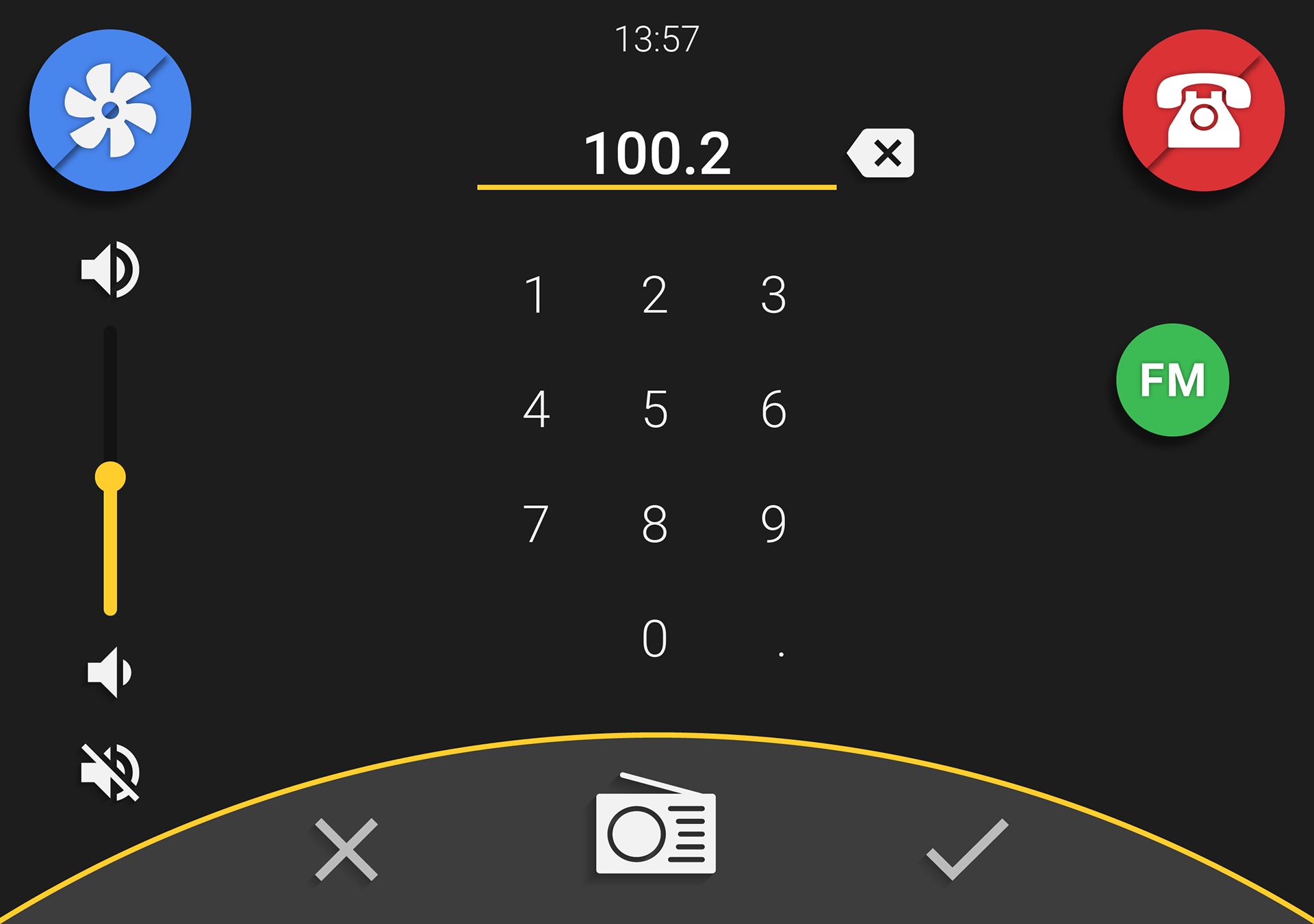
Music (frequency)
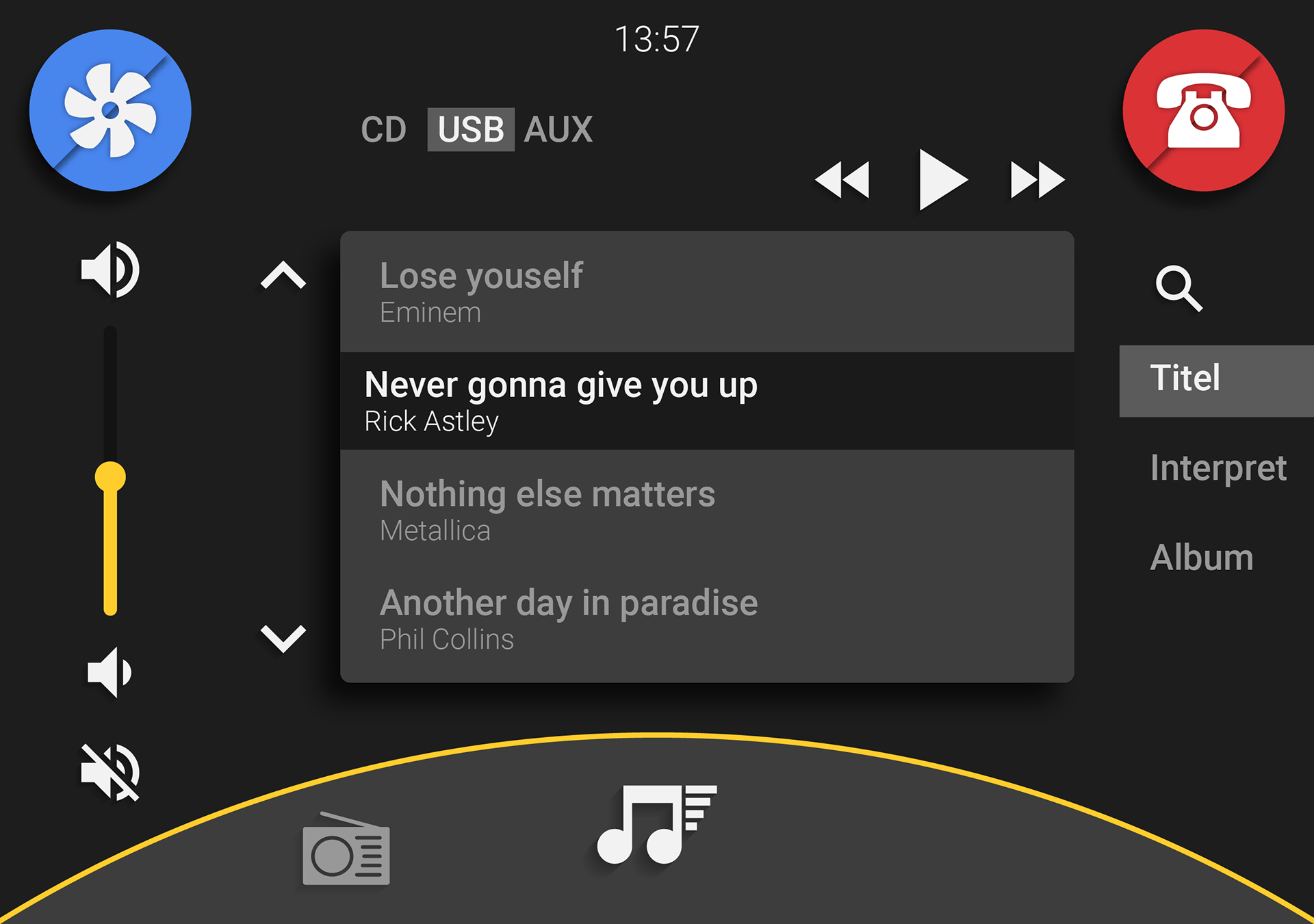
Music (media)
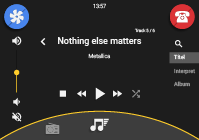
Music (play media)
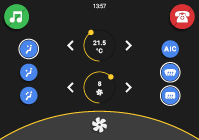
Climate
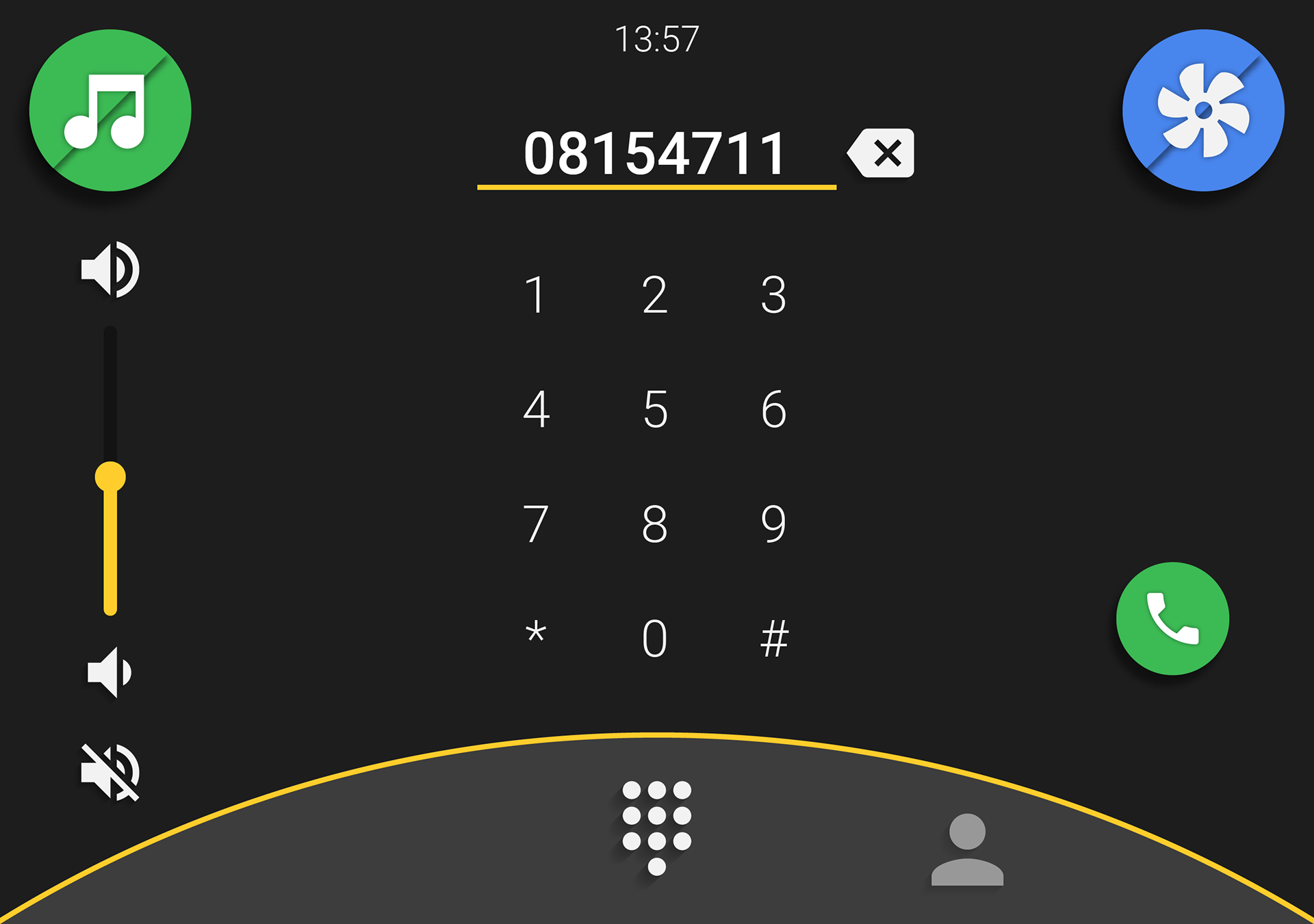
Phone (dial pad)
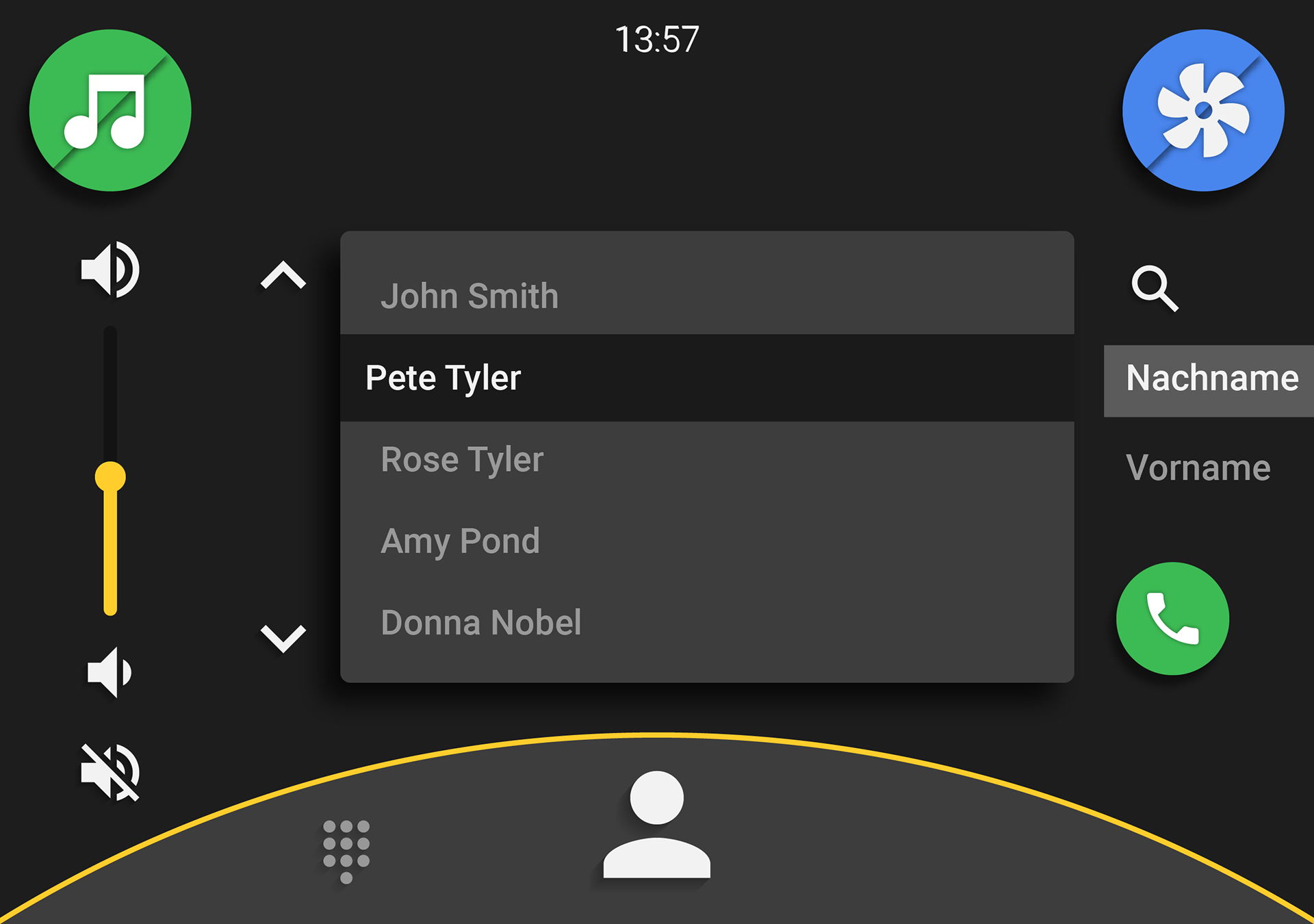
Phone (contacts)
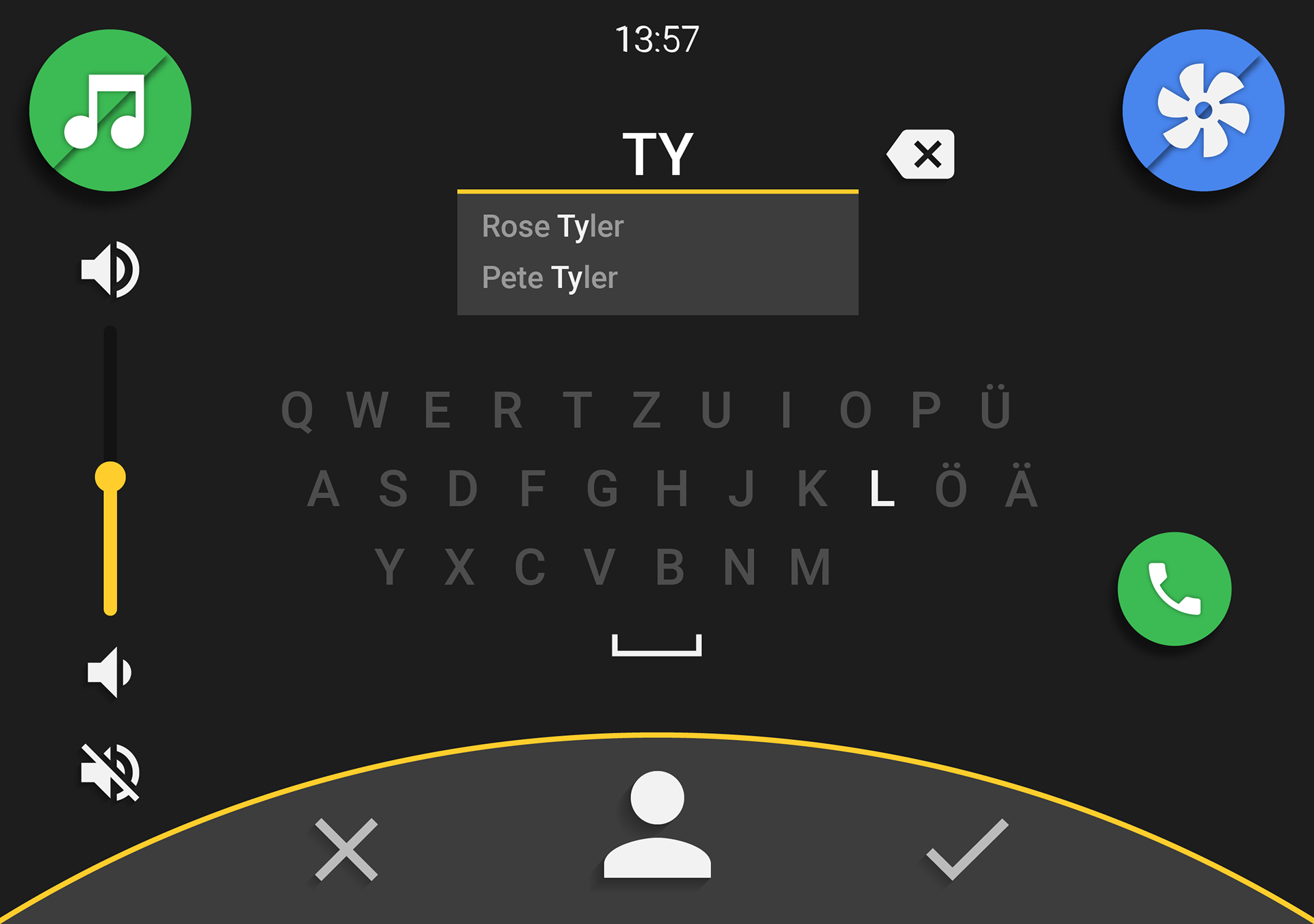
Phone (search contacts)
Tesla Screens
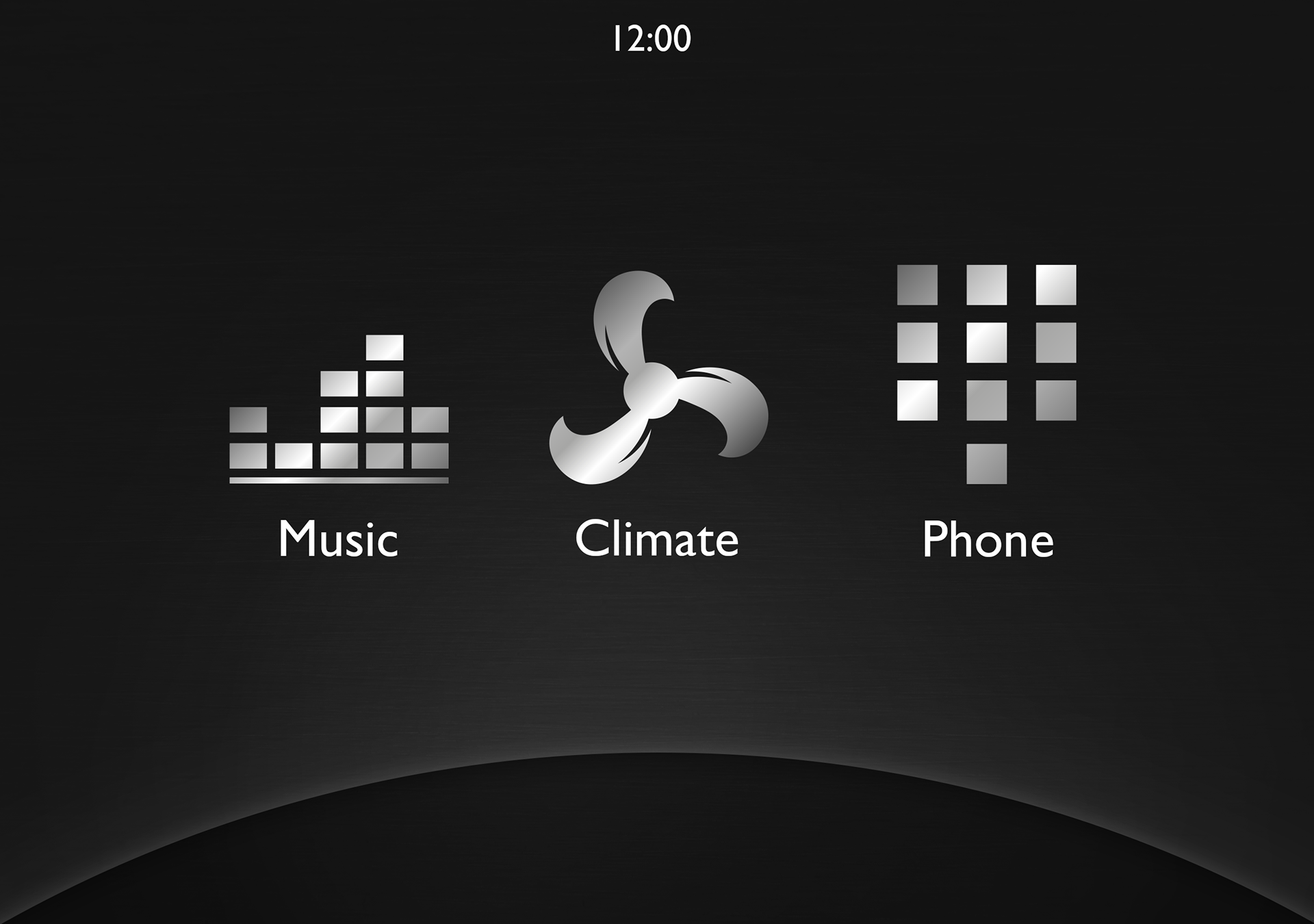
Home
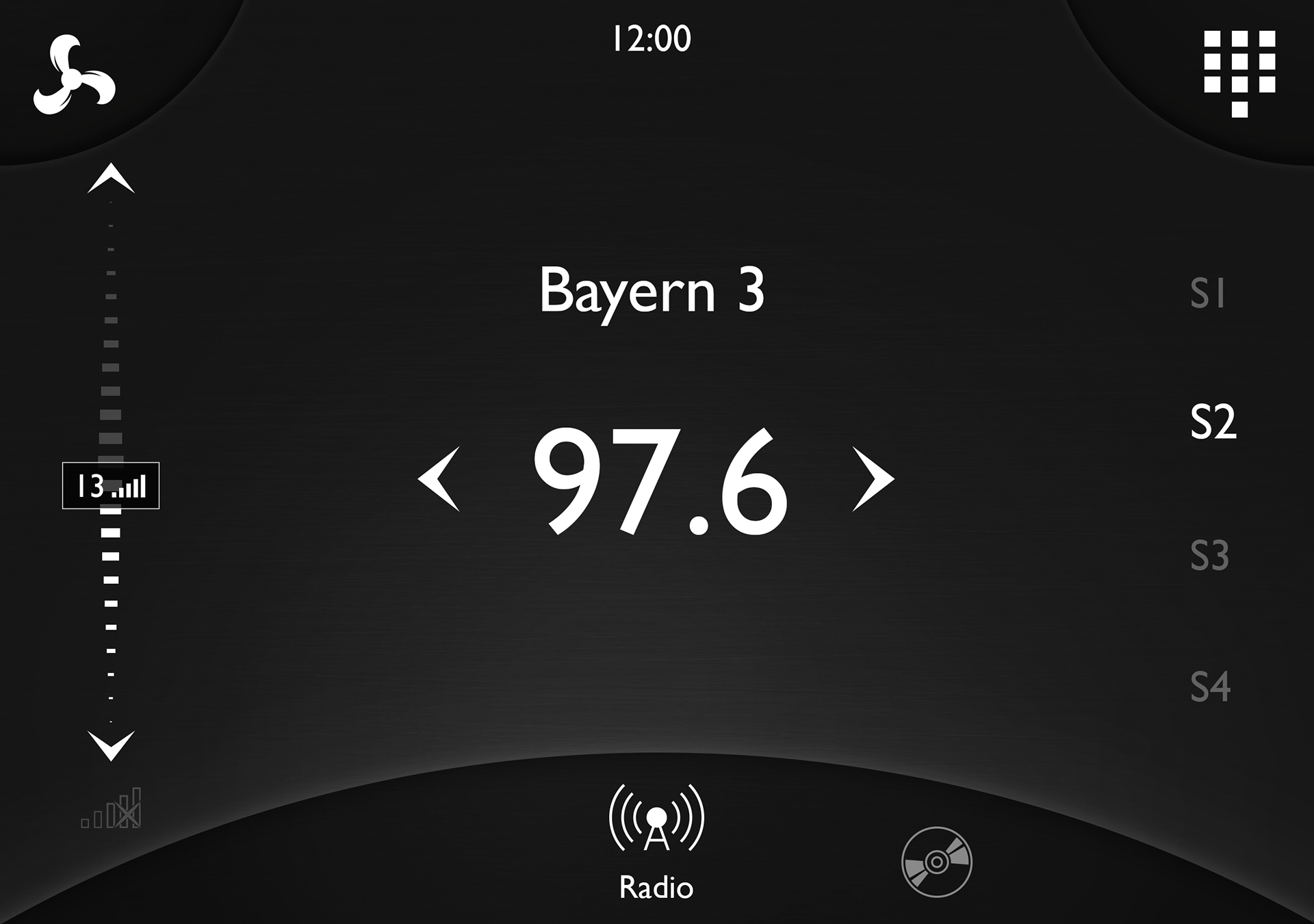
Music (radio)
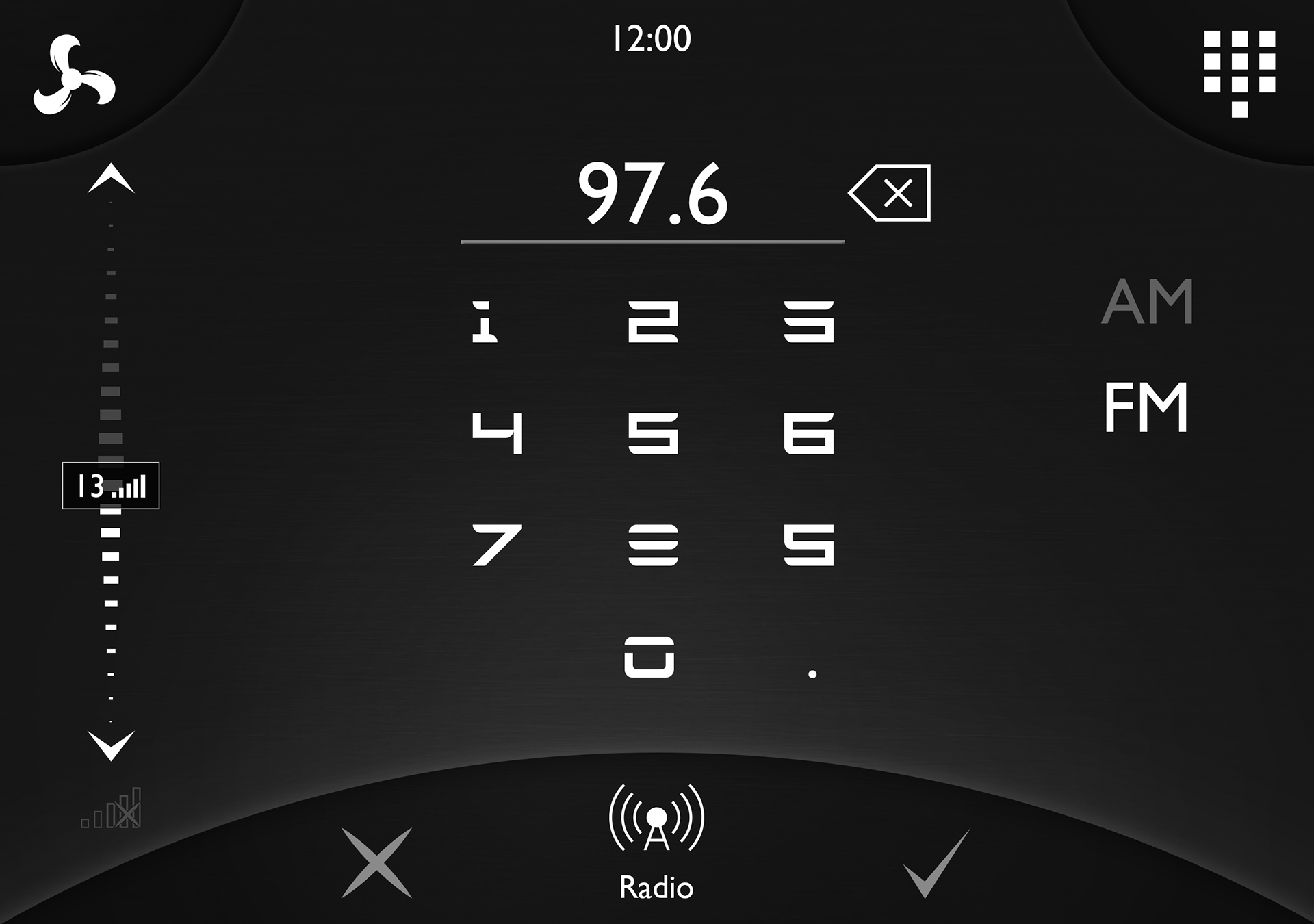
Music (frequency)
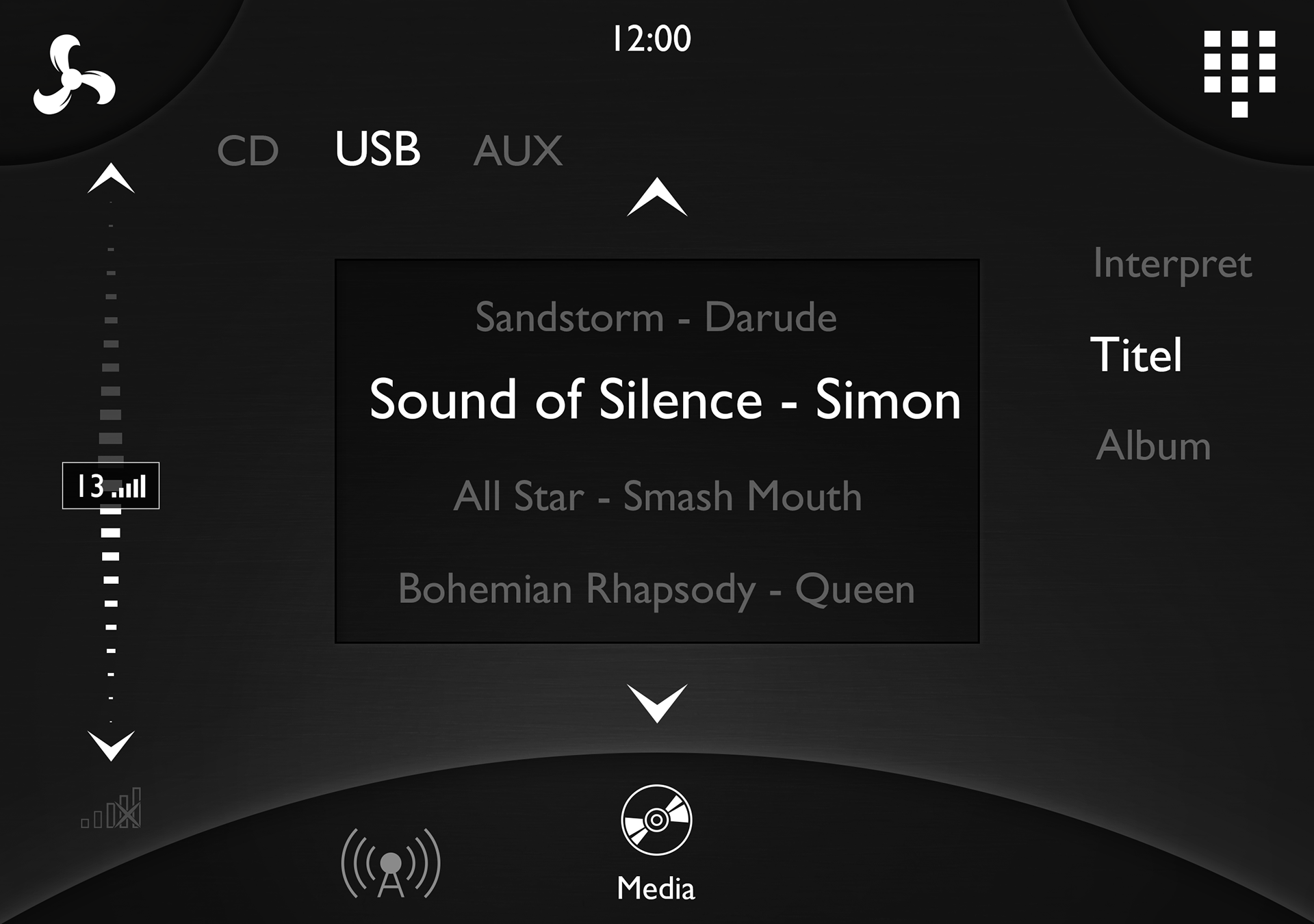
Music (media)
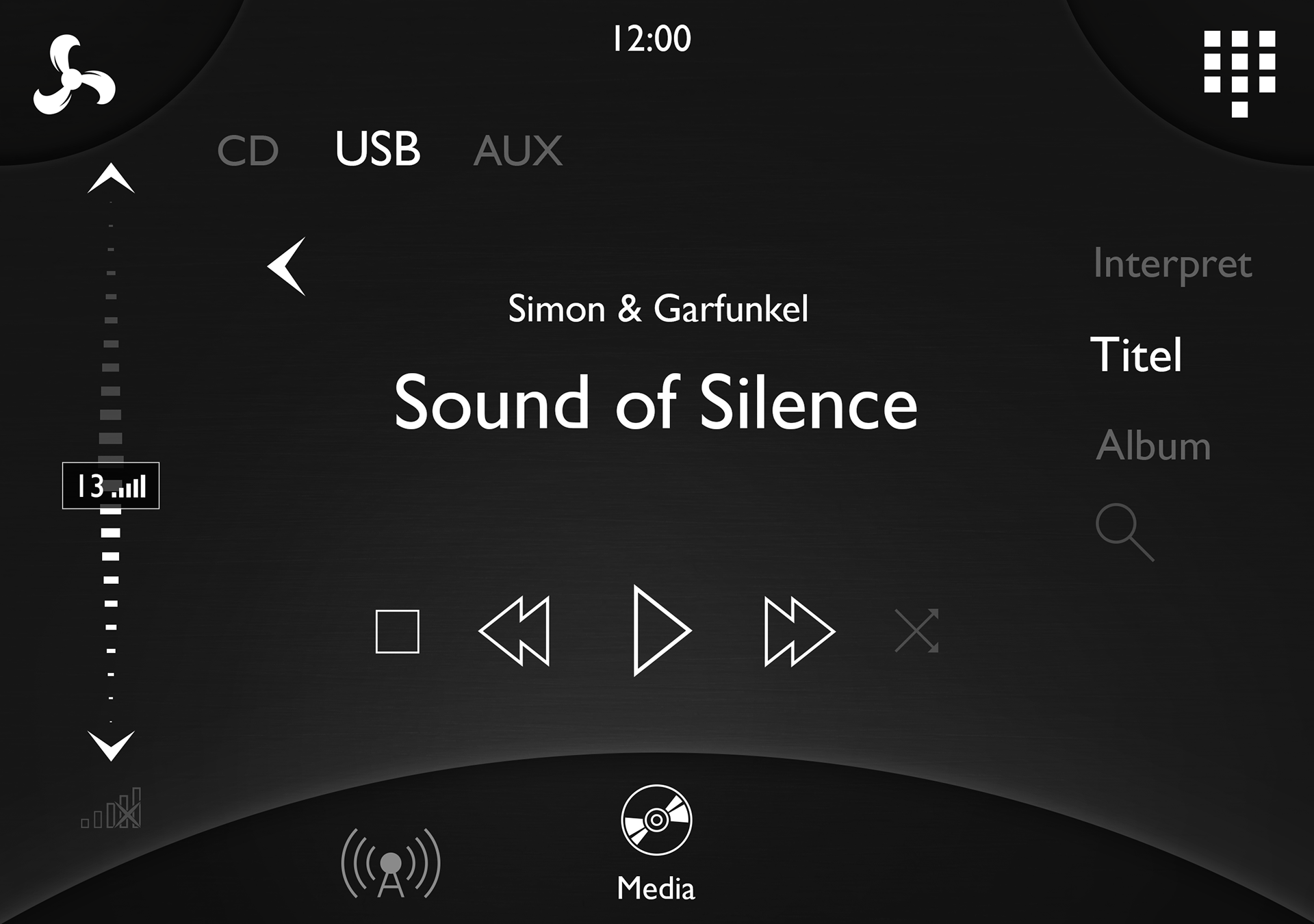
Music (play media)
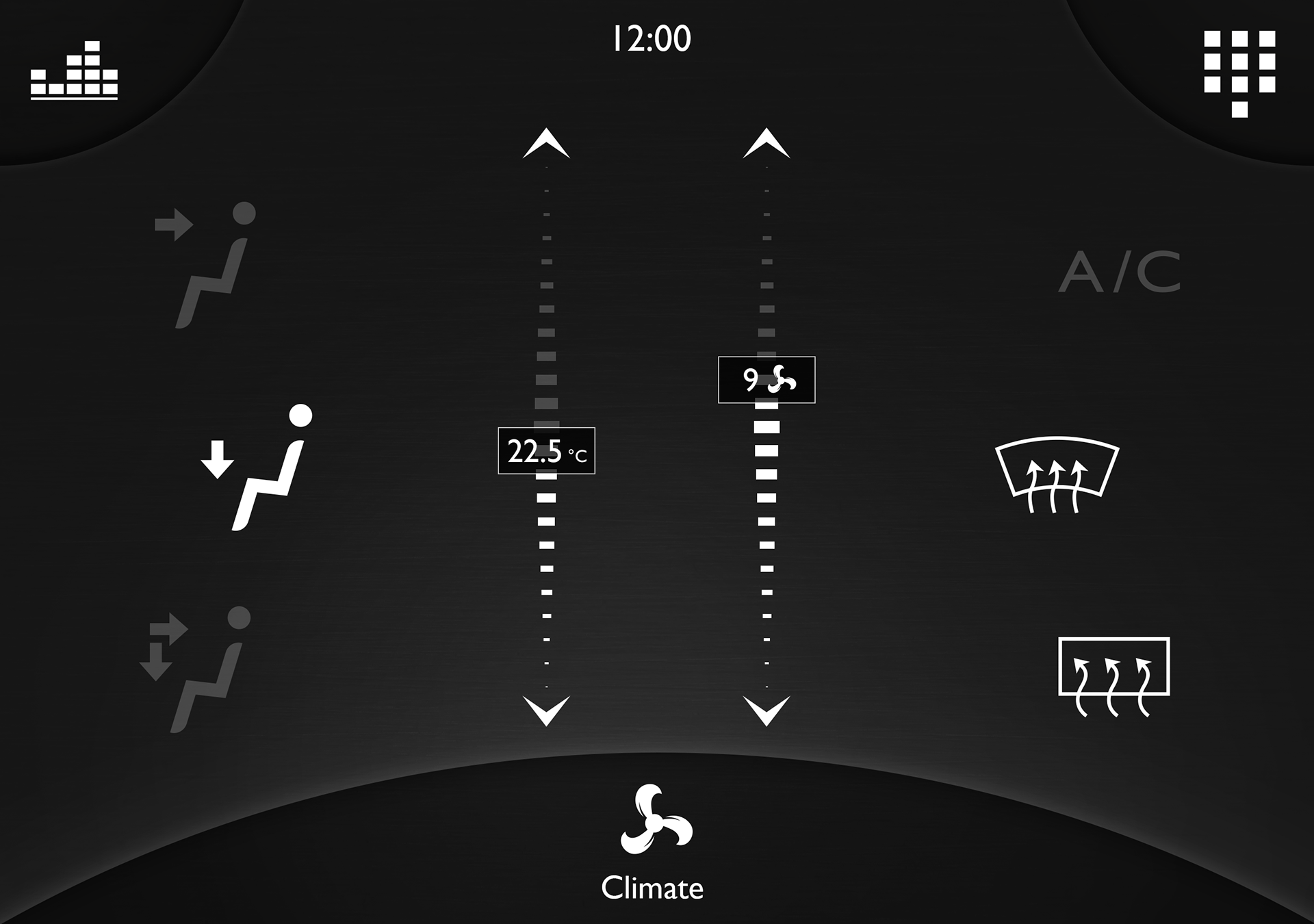
Climate
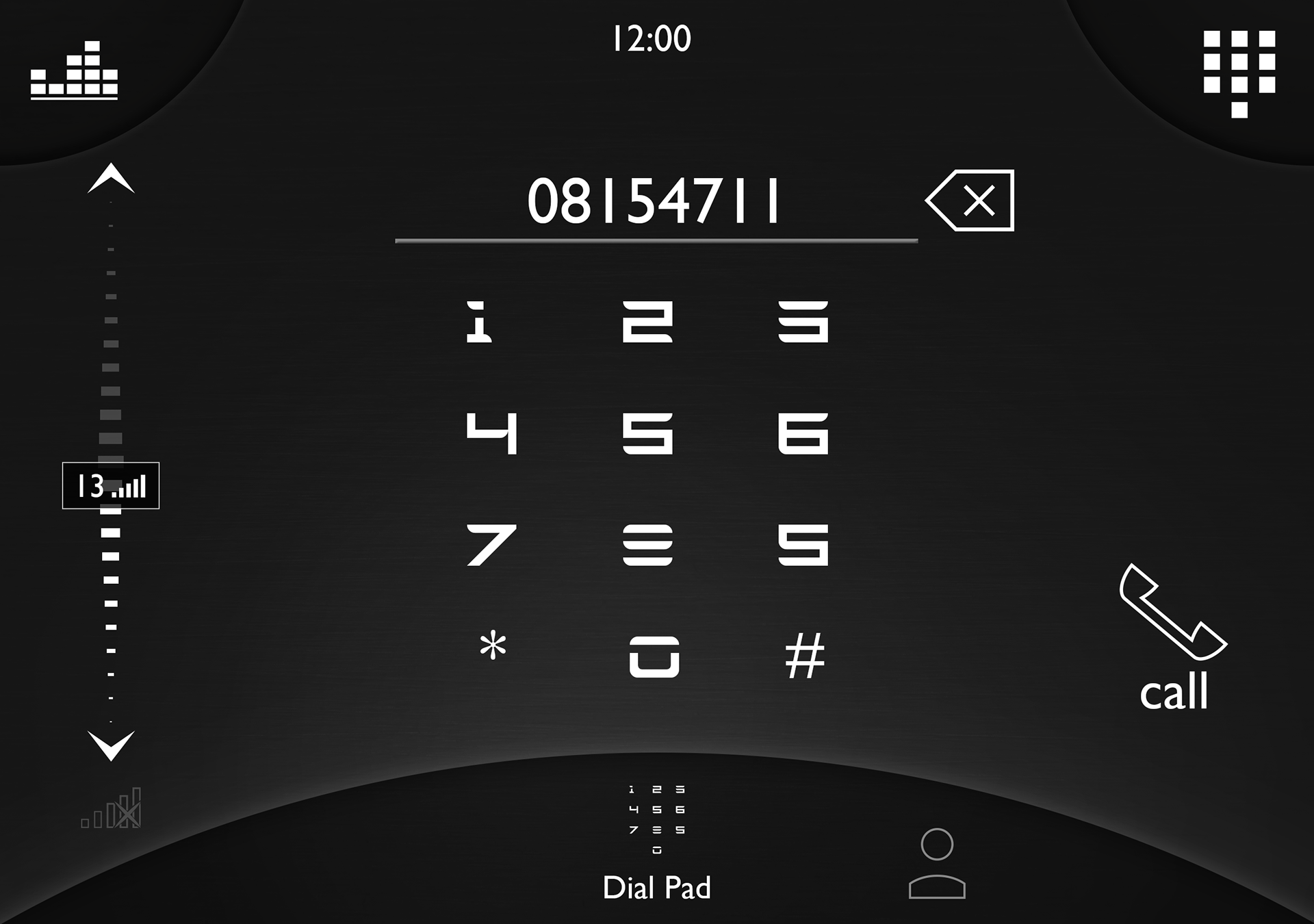
Phone (dial pad)
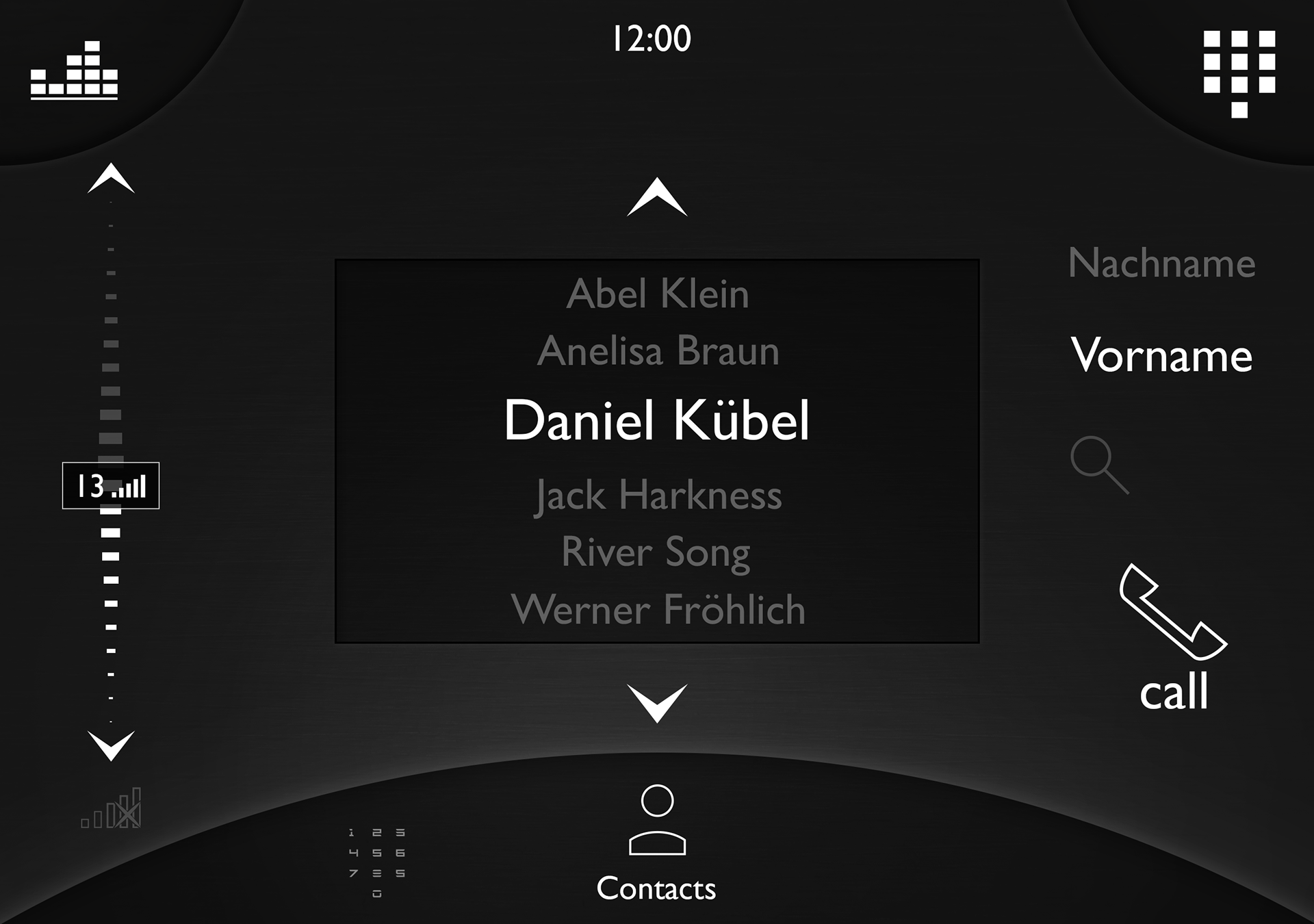
Phone (contact)
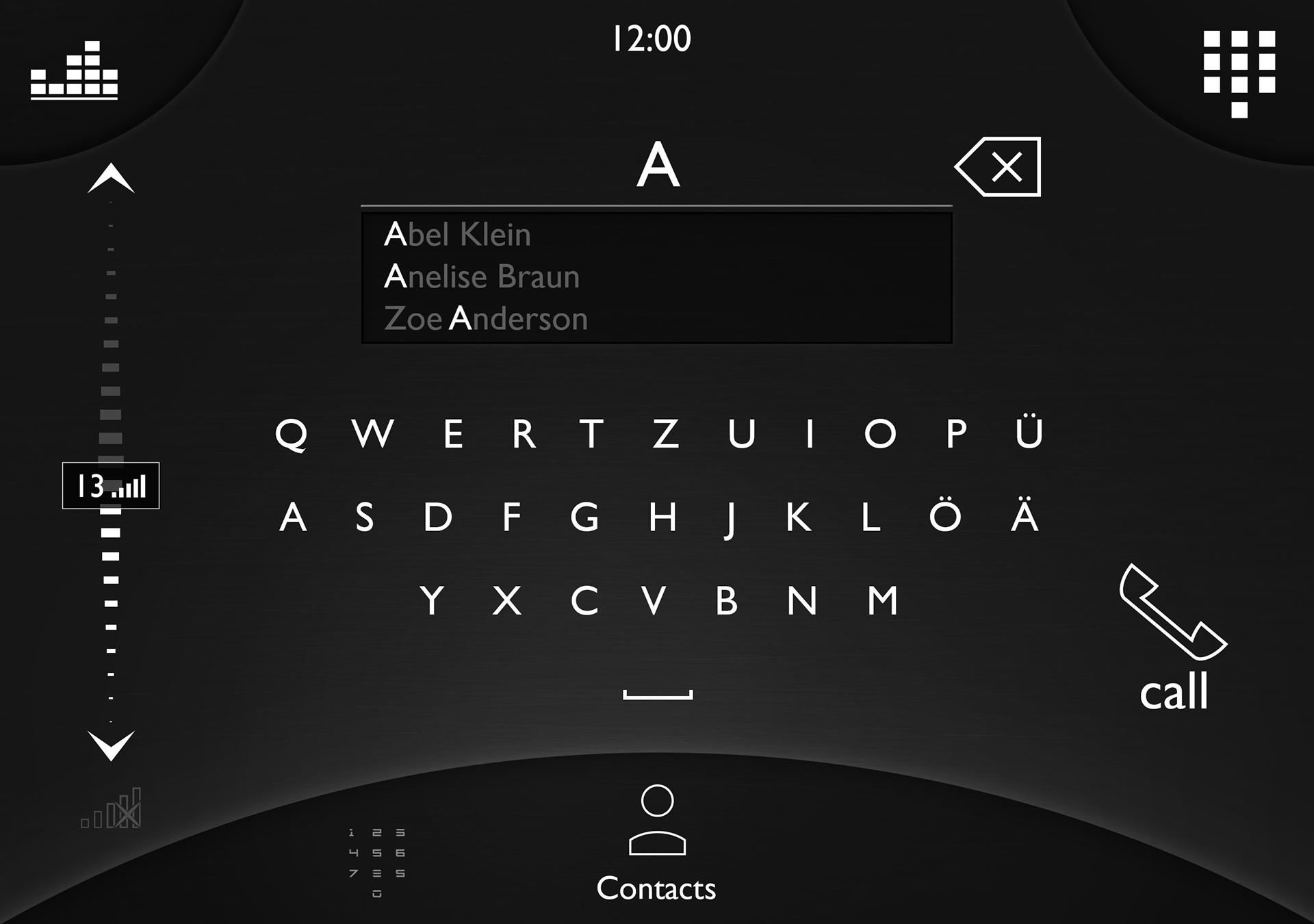
Phone (search contacts)
UCD PROCESS
We began with hand-drawn low-fidelity wireframes, evolving them into a clickable prototype and clear information architecture. Early formative evaluations guided iterative usability improvements. High-fidelity screen designs produced the final prototype, tested in a summative evaluation. Findings were compiled in a comprehensive report. The focus was always on intuitive usability while driving, supported by swipe gestures and shortcut buttons.
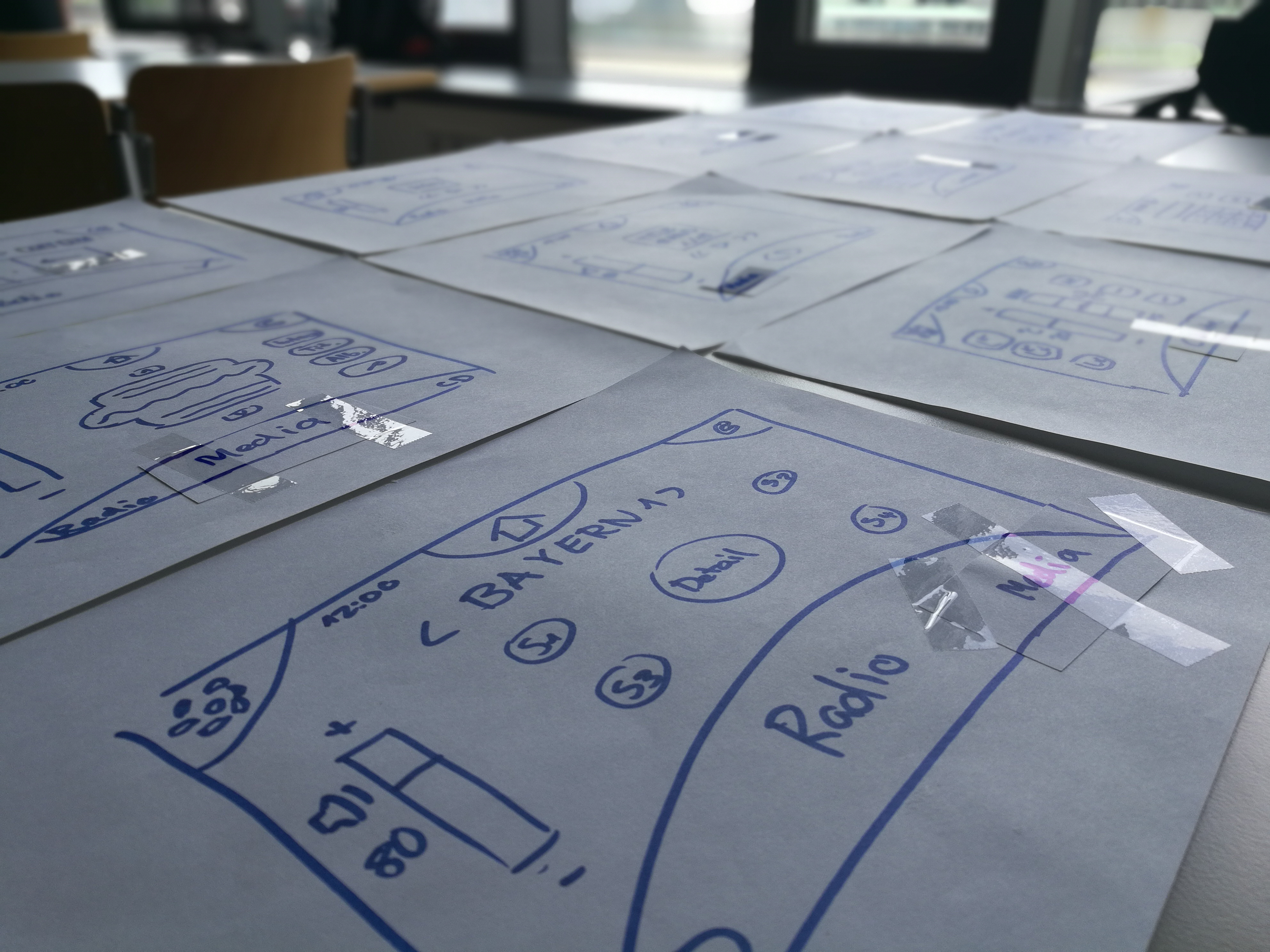
Hand sketches
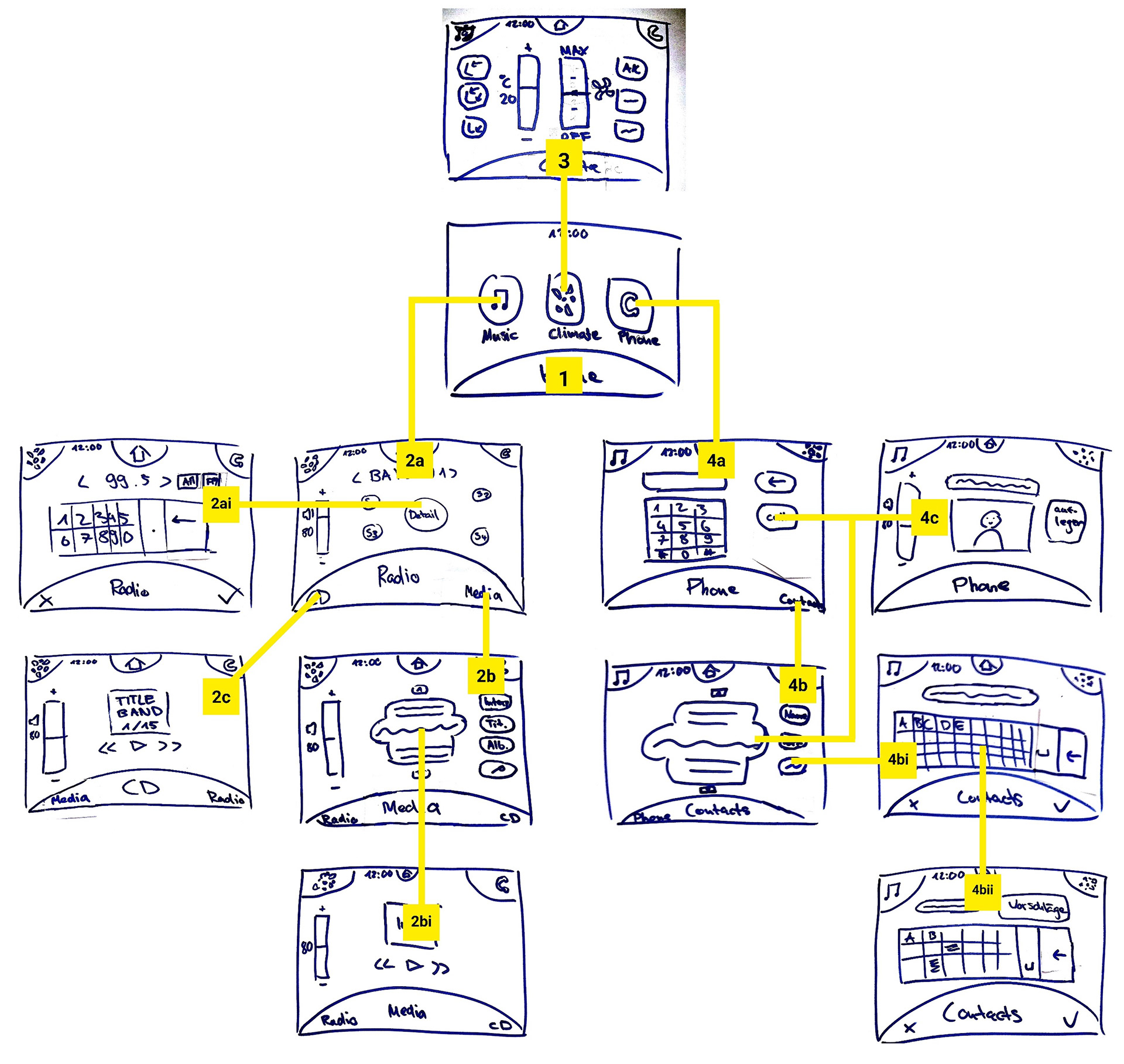
Information architecture
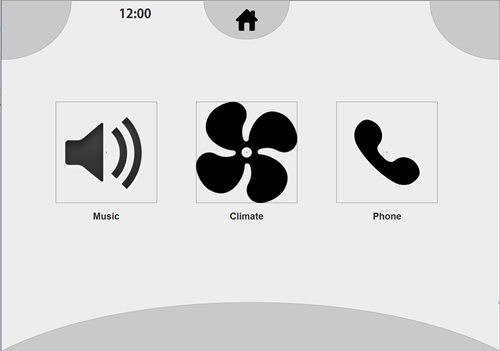
Wireframe home
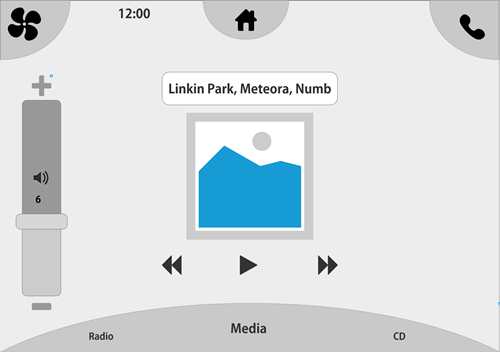
Wireframe music (media)